Hydrogen fuel cell vehicles promise the clean-running of an electric car with the quick refuelling of a petrol one, but the reality in practice is more limited and more nuanced. Understanding how they work, and why they remain niche, helps cut through both the hype and the dismissals.
How a fuel cell vehicle works
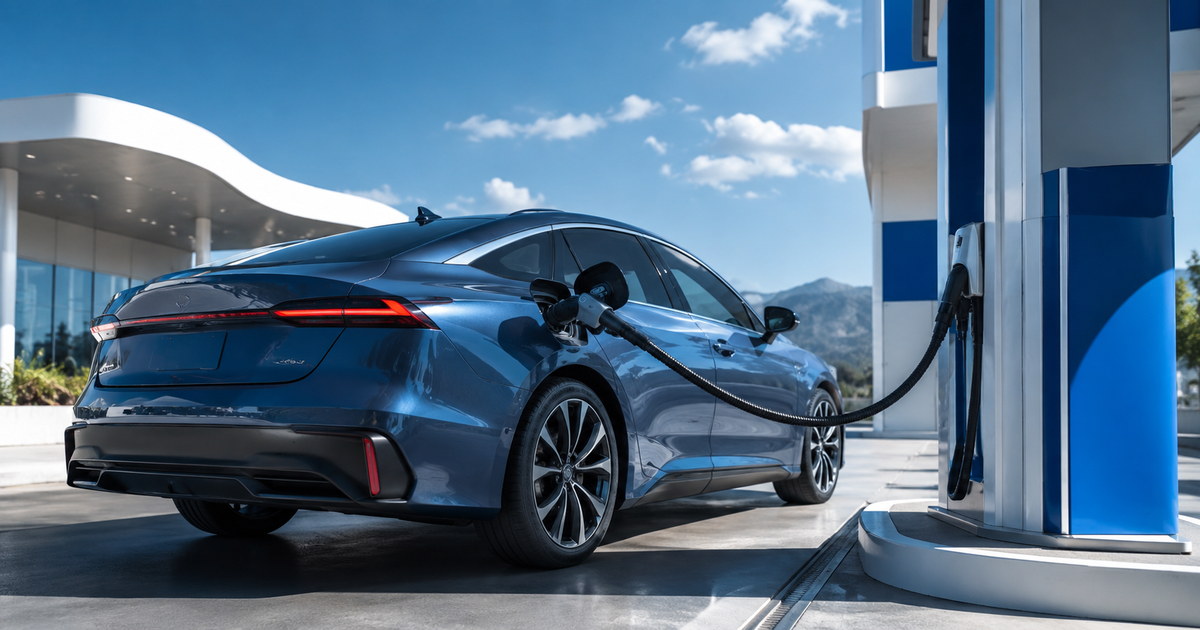
A hydrogen fuel cell electric vehicle (FCEV) carries hydrogen in high-pressure tanks and feeds it into a fuel cell, where it combines with oxygen to generate electricity that drives an electric motor, emitting only water vapour. So it is an electric vehicle, but it makes its own electricity from hydrogen on board rather than storing it all in a large battery. Refuelling takes only a few minutes, much like filling with petrol.
FCEV versus battery electric
Compared with a battery EV, an FCEV refuels far faster and can offer long range, which is appealing for heavy or long-distance use. The trade-offs are significant, though: fewer models, higher costs, and the energy inefficiency of making, compressing and transporting hydrogen compared with charging a battery directly. For most private drivers, a battery EV, as discussed in our hybrid versus electric comparison, is currently the more practical zero-emission choice.
Infrastructure is the main hurdle
The defining problem is refuelling infrastructure: hydrogen stations are scarce and heavily concentrated in a few areas, with the United States having only a few dozen public stations, almost all in California. Without somewhere convenient to refuel, the fast-refuelling advantage is moot, which is why FCEVs have struggled to reach the mainstream for ordinary buyers. Building stations is expensive and slow, creating a chicken-and-egg problem with vehicle adoption.
A mixed industry picture
The market reflects this tension. A handful of automakers, such as Toyota, Hyundai, Honda and BMW, continue to develop and offer fuel cell vehicles and plan future models, while others have scaled back or exited hydrogen passenger-car programmes, citing cost and infrastructure. So the technology is neither dead nor mainstream; it is advancing in specific niches while remaining marginal for the average car buyer.
Where hydrogen may fit best
Many see hydrogen’s stronger case in heavy-duty and long-haul applications, trucks, buses, and equipment, where fast refuelling and long range matter most and where battery weight is a bigger drawback, an angle that connects to our electric trucks versus diesel comparison. Fuel cell forklifts and buses are already in use in places. For these duty cycles, hydrogen’s strengths line up better than they do for a typical commuter car.
How clean is the hydrogen?
An FCEV emits only water, but its overall environmental benefit depends heavily on how the hydrogen is produced. Much hydrogen today is made from natural gas, which carries emissions, whereas hydrogen made from renewable electricity is far cleaner but currently more expensive and limited. So hydrogen’s green credentials are real only to the extent the fuel itself is produced cleanly, which is an evolving part of the picture.
The realistic takeaway
For now, hydrogen fuel cell cars are a genuine but niche technology: clean-running and quick to refuel, yet held back by sparse infrastructure, high costs and efficiency disadvantages for light vehicles. They are most compelling in heavy-duty roles and in regions investing heavily in hydrogen. For most drivers weighing a cleaner vehicle today, battery EVs and plug-in hybrids remain the more practical options, with hydrogen one to watch rather than to count on.
Hydrogen vehicle quick facts
Key points to remember:
- An FCEV is an EV that makes electricity from hydrogen, emitting only water.
- It refuels in minutes and can offer long range.
- Public refuelling stations are scarce and geographically limited.
- Costs and energy losses are higher than charging a battery EV.
- Hydrogen’s strongest case is heavy-duty transport, and its cleanliness depends on how it’s produced.
Safety and ownership realities
Two practical points round out the picture. On safety, hydrogen is handled at high pressure and is flammable, so fuel cell vehicles and their tanks are engineered and tested to strict standards, and in normal use they are designed to be as safe as conventional cars; the bigger day-to-day issue for owners is simply finding fuel. On ownership, because the cars and the fuel can be costly and stations are scarce, FCEVs are often offered with incentives, fuel allowances or lease deals in the few regions with infrastructure, which is worth understanding before committing. For anyone genuinely considering one, the decisive question is brutally simple: is there convenient, reliable hydrogen refuelling where you actually drive? If not, a battery EV or plug-in hybrid, as in our EV comparison, will almost certainly serve better today.
Sources
- US DOE Alternative Fuels Data Center: fuel cell electric vehicles
- US DOE fueleconomy.gov: fuel cell vehicles
Model availability, station coverage and costs vary by region and change quickly. Confirm current options and refuelling access for your area.