Electric vehicles attract a lot of confident claims, many of them outdated or simply wrong. Sorting the genuine considerations from the myths helps anyone weighing an EV make a clear-eyed decision rather than one based on fear or hype. Here are the common ones, examined honestly.
Myth: EVs don’t have enough range
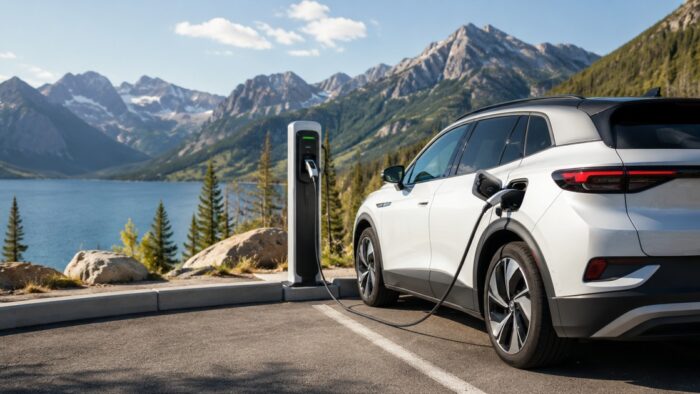
Range anxiety made sense for early EVs, but many modern electric cars now cover distances that comfortably handle typical daily driving and most journeys on a single charge. The real questions are your specific driving pattern and charging access, not a blanket lack of range. For most drivers, everyday mileage sits well within an EV’s capability, with planning needed mainly for longer trips, as our EV road trip guide covers.
Myth: the battery will die in a few years
Fears that EV batteries wear out quickly are largely unfounded for modern vehicles, which is why long battery warranties are standard. Batteries do gradually lose some capacity over many years, but typically retain a large share of it well into high mileage, and sensible charging habits slow the decline. Treating the battery reasonably, rather than expecting it to fail, matches the reality most owners experience over the life of the car.
Myth: EVs catch fire all the time
High-profile coverage can give the impression EVs are fire-prone, but the evidence does not support the idea that they catch fire more readily than petrol cars in normal use; conventional vehicles also catch fire. EV battery fires are rare and the subject of ongoing safety engineering and standards. As with any vehicle, following recalls and not ignoring damage matters, but routine fire risk is not a sound reason to avoid an EV.
Myth: the grid can’t handle EVs
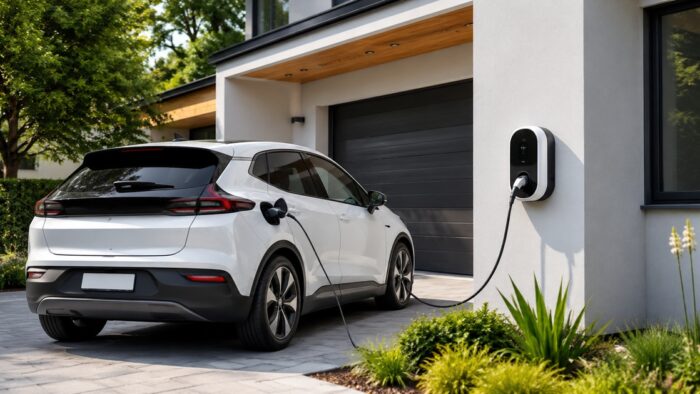
The worry that EVs will overwhelm the electricity grid overlooks that most charging happens overnight when demand is low, and that smart charging can shift load to off-peak times. Grid operators plan for growing EV adoption, and managed charging actually helps balance the system. While infrastructure must keep expanding, the simplistic claim that the grid simply cannot cope does not reflect how charging is actually distributed, much of it gentle overnight charging as in our home charging guide.
Myth: EVs are worse for the environment overall
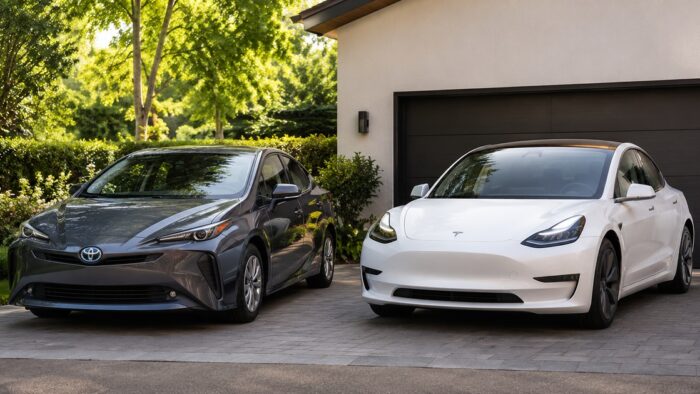
A common argument is that manufacturing and electricity generation cancel out an EV’s benefits. In reality, while building an EV (and its battery) does carry emissions, studies generally find that over its lifetime an EV produces fewer emissions than a comparable petrol car, and the gap widens as electricity grids get cleaner. The honest picture is that EVs are not zero-impact, but they are typically cleaner over their life, especially with cleaner power.
Myth: charging is always slow and inconvenient
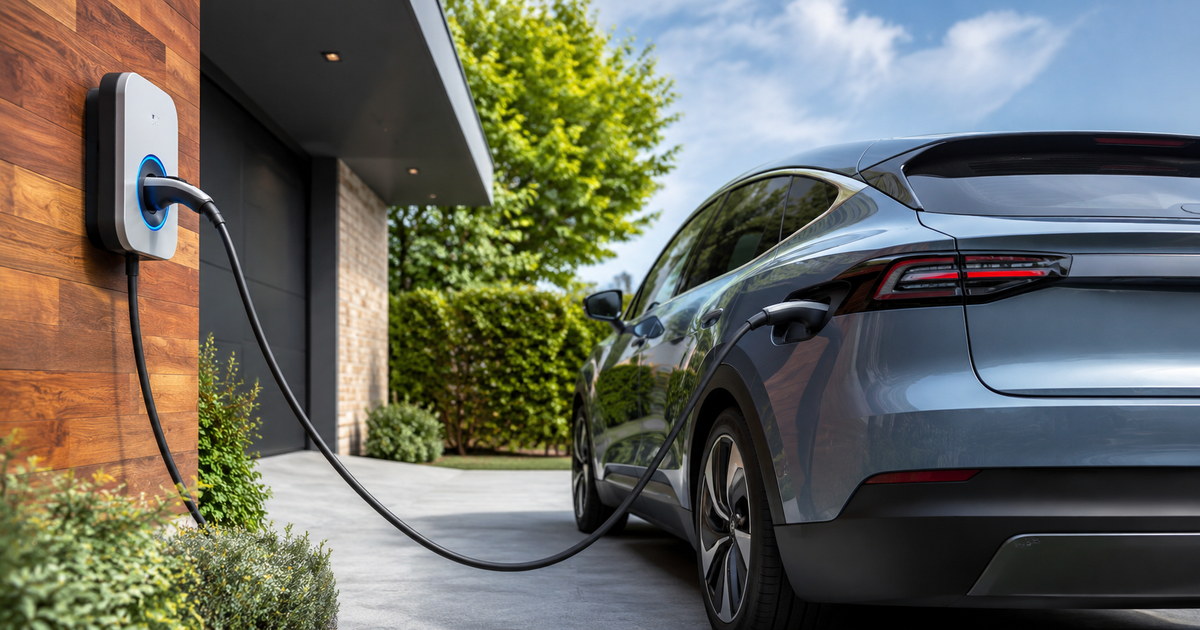
Charging is different from refuelling, not simply worse. Home charging means starting most days with a full battery without ever visiting a station, which many owners find more convenient, while fast charging handles trips. The experience depends heavily on your charging access, which is the real factor to assess, particularly for those without off-street parking. Framing it as a different routine, rather than a slow petrol stop, is closer to the truth.
The honest balance
Debunking myths does not mean EVs suit everyone: charging access, upfront cost and individual needs are genuine considerations, and a hybrid or plug-in hybrid may fit some drivers better. But the decision deserves to rest on facts, not outdated fears about range, fires, batteries or the grid. Assess your own driving and charging situation honestly, and the choice becomes clear on its real merits rather than on myth.
EV myths versus reality
Keep these straight:
- Modern EV range suits most daily driving; plan for long trips.
- Batteries last for years and are warrantied; capacity fades slowly.
- EVs are not unusually fire-prone compared with petrol cars.
- Most charging is off-peak; smart charging helps the grid.
- EVs are typically cleaner over their lifetime, more so on clean power.
Myth: cold weather makes EVs useless
It is true that cold temperatures temporarily reduce an EV’s range, because battery chemistry slows in the cold and energy goes to heating the cabin and battery, but useless is far too strong. The reduction is temporary and recovers as it warms, and it can be managed by pre-conditioning the car while still plugged in, so it heats up on grid power before you set off, as our home charging guide describes. Petrol cars also lose some efficiency in extreme cold. So cold weather is a genuine consideration to plan around in winter, particularly for longer trips, rather than a reason to dismiss EVs, and millions of owners drive them happily in cold climates. As with the other myths, the honest answer is nuance: a real, manageable effect, not the dealbreaker it is sometimes made out to be.
Sources
Whether an EV suits you depends on your driving, charging access and budget. Use current, region-specific information to weigh the real trade-offs.