An EV road trip is rarely difficult because of one dramatic problem. Trouble usually comes from several small assumptions: optimistic range, a busy charger, a cold battery or no workable backup nearby.
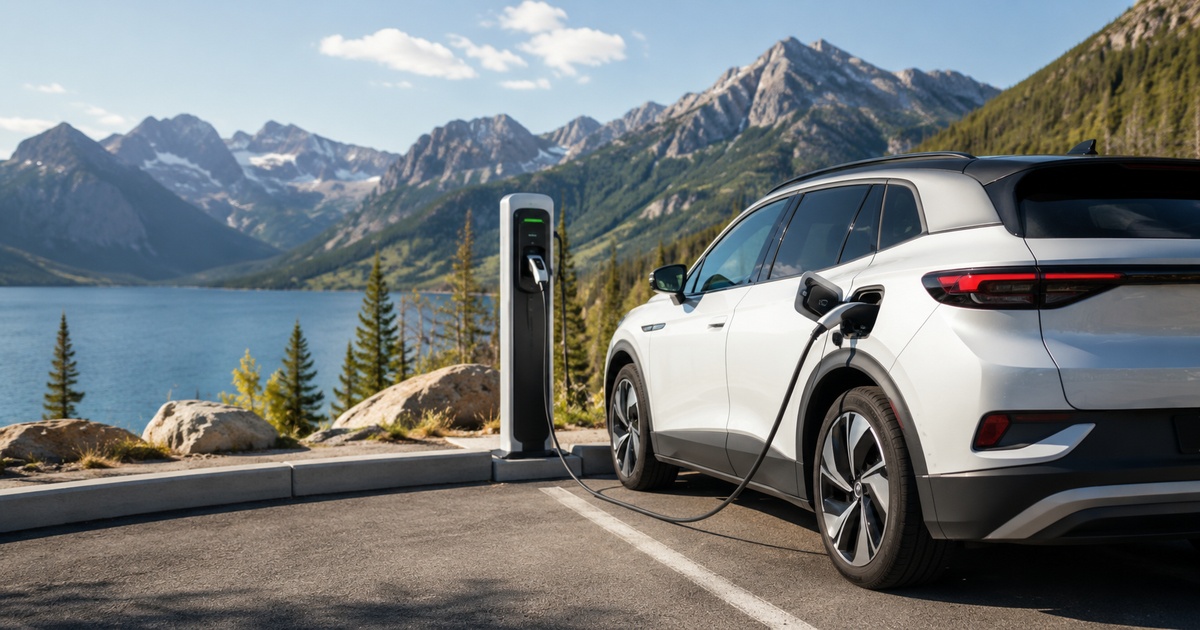
An EV road trip is easiest when charging is planned as a network of options rather than one perfect stop. Use the vehicle navigation and independent station information, understand the charging curve and keep an alternative charger within a comfortable reserve.
Start with the route, weather, elevation and loaded efficiency. Identify primary and backup chargers, check connector and payment access, and plan longer stops where the battery will accept useful charging power. Overnight destination charging can reduce the number of rapid-charging sessions.
Use a range figure you can live with
Rated range is a comparison figure, not a promise for every trip. Speed, cold or hot weather, wind, elevation, cabin climate, roof equipment, payload and tire pressure can change energy use. Use recent vehicle consumption on similar roads where possible.
Plan with a reserve that reflects charger spacing and route risk. A remote route with one charger needs more margin than a corridor with several alternatives.
A charger icon is not a charging plan
Connector
Confirm the plug and vehicle compatibility.
Power
The station rating and the vehicle maximum both limit charging speed.
Availability
Review live status where available and recent user reports with appropriate caution.
Access
Check opening hours, parking restrictions, height limits and whether the station is behind a gate.
Payment
Install required apps or carry the supported card before departure.
Backup
Identify another site reachable if the first is occupied or unavailable.
Let the car charge while you sleep
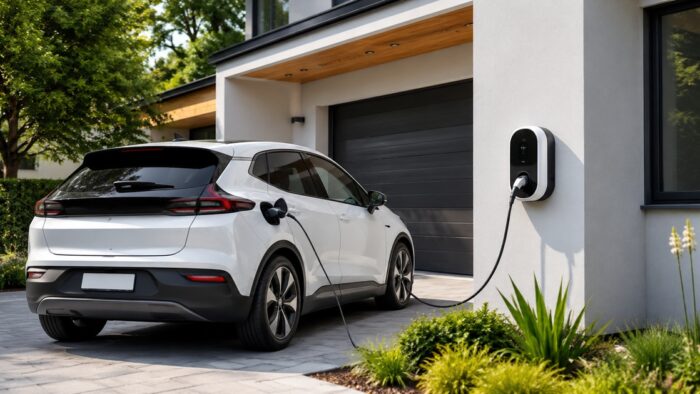
- Confirm the equipment: Ask the accommodation for connector type, power and access rules.
- Reserve where possible: A property may have fewer chargers than rooms.
- Carry the approved cable: Some destination units require the driver cable, while others are tethered.
- Avoid unsafe extensions: Use only charging equipment and electrical installations approved for the vehicle and location.
Shorter, well-timed stops can be easier
Many EVs charge faster at a lower state of charge and slow as the battery becomes fuller. On a long corridor, several shorter sessions may be faster than repeatedly charging close to 100%, but the right strategy depends on charger spacing and the vehicle.
Preconditioning the battery through the vehicle navigation can improve charging performance on supported models. Follow the owner manual and do not block a charger after the session is complete.
Keep one realistic fallback on every long leg
Keep water, weather protection and enough battery to reach an alternative. A charging stop can take longer because of a queue, reduced power or another vehicle. Build flexibility into ferry, hotel and event bookings.
If a charger appears damaged, overheated or unsafe, do not use it. Report the issue to the network and move to the backup option.
EV trip questions worth answering before departure
Should I charge to 100% at every stop?
Usually not. Charge enough for the next leg and reserve, unless a long gap or overnight opportunity makes a fuller charge useful.
Do public chargers always deliver their advertised speed?
No. Vehicle limits, battery temperature, shared power, station condition and state of charge can reduce the rate.
Can I rely only on the car navigation?
Use it as the primary tool where appropriate, but verify critical stops and keep a backup station because databases and real-time status can be incomplete.
Plan around arrival options, not one perfect charger
For each important stop, identify what happens if the preferred charger is occupied, out of service or slower than expected. A useful backup is close enough to reach with the reserve you intend to keep and offers the connector and access conditions required by the car.
Busy travel periods deserve a wider margin. A site with many chargers may still queue at meal times, while a single charger at an isolated location can create a long delay if another vehicle is already using it. Recent driver reports can be helpful, but the network operator remains the place to confirm live status and access rules.
Use the stop for more than charging
Charging feels less disruptive when it overlaps with a meal, toilet break or overnight stay. Build the trip around places where the occupants can use the time safely rather than choosing every stop by maximum charger power. A slightly slower site with reliable facilities may be the better stop for the people travelling.
Check access rules as carefully as charger speed
A charger may sit inside a paid car park, behind a hotel barrier or on a site that closes overnight. Some locations require an app, account, membership or pre-authorisation before charging begins. Review those details while planning and install any required app before the journey.
Where roaming is unreliable, keep more than one payment method. A physical card, network app and contact number can reduce the chance that a working charger becomes unusable because one payment route fails.
Next steps
- Home EV Charging Guide
- Hybrid vs Electric Cars: Which Fits Your Driving?
- How to Plan a Multi-Day Road Trip
Sources and Further Reading
- Alternative Fuels Data Center public charging guidance
- Alternative Fueling Station Locator
- Alternative Fuels Data Center EV benefits and considerations
- Alternative Fuels Data Center: Public Charging
- Alternative Fuels Data Center: EV Benefits and Considerations
Charging access and status can change quickly. Confirm the network, connector, payment method and fallback near the time of travel.