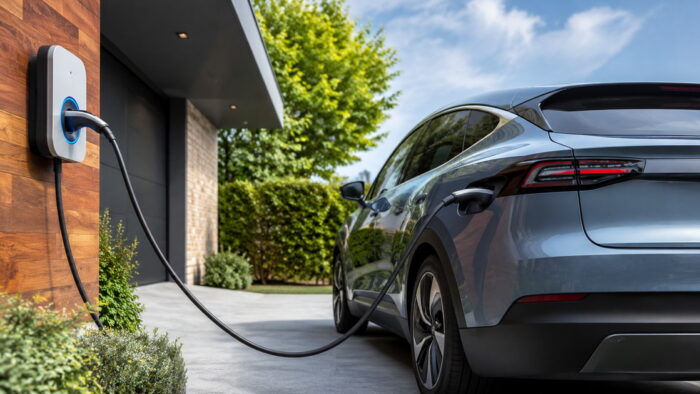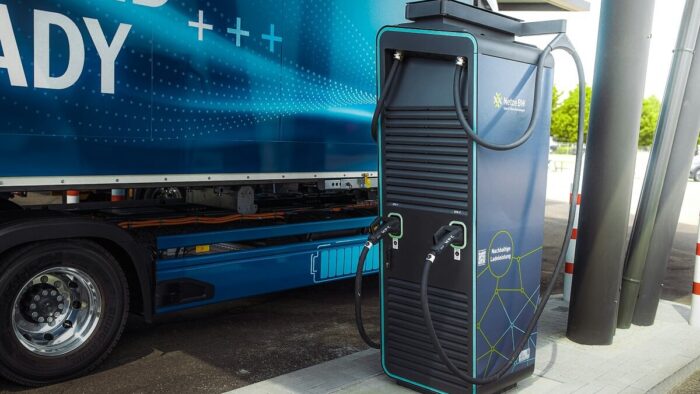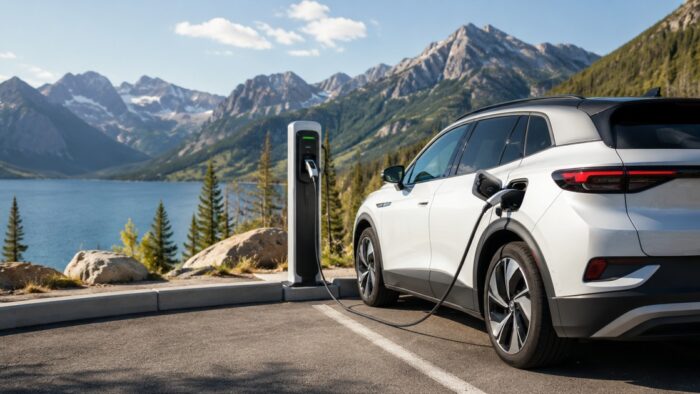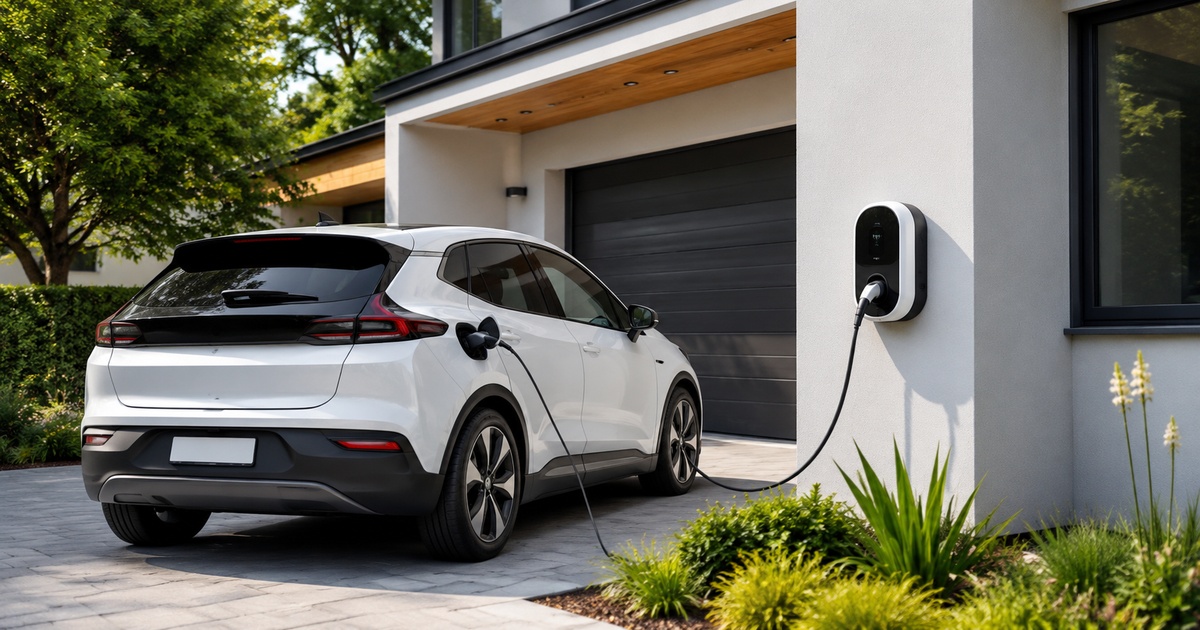
The right home charger is not necessarily the fastest unit on the shelf. The useful choice is the one that fits the parking space, electrical supply, vehicle and time the car normally remains parked.
Home charging is usually the most convenient EV option, but the installation must suit the electrical system, parking position and daily driving. Use a qualified installer, approved equipment and the vehicle manufacturer guidance. Compare expected daily energy need rather than automatically choosing the highest-power charger.
Confirm where the vehicle parks, cable reach, weather exposure, electrical capacity and local permission. Ask a qualified electrician to assess the installation and protective equipment. Choose a charger that can replace normal daily use during the available parking window.
Begin at the parking space
- Electrical assessment: Check service capacity, circuit loading, earthing, protection and cable route.
- Parking position: Avoid trip hazards, stretched cables and a connector lying where it can be damaged.
- Weather rating: Use equipment approved for the mounting location and climate.
- Connectivity: Decide whether smart schedules, access control and energy reporting are required.
- Future needs: Consider a second EV or solar integration without oversizing beyond the property capacity.
How much charging speed do you use?
A standard outlet may add range slowly and can be sufficient for low daily mileage where the circuit and local rules allow it. A dedicated home charger usually provides faster, managed charging and better control features.
Charging time depends on power available to the car, onboard charging limits, battery state and losses. A high-rated charger will not exceed the vehicle onboard AC limit.
Work out the running cost before choosing a tariff
The cost per kilometre depends on electricity price and vehicle efficiency. Time-of-use tariffs may lower overnight cost but can increase other household rates, so compare the full bill.
Use the charger or vehicle schedule to charge during the intended window. Do not sacrifice the minimum charge needed for an unexpected journey merely to reach the cheapest period.
Daily habits that protect the equipment
- Use approved equipment: Do not use improvised adapters or extension leads unless explicitly approved for the charging system.
- Inspect regularly: Stop using a connector or cable with damage, overheating, discolouration or loose parts.
- Keep connections clean: Protect plugs from contamination and follow the equipment instructions for wet conditions.
- Manage impact risk: Position or guard the charger where a vehicle cannot easily strike it.
- Keep access clear: Coil the cable as designed and prevent a trip hazard for pedestrians.
When the parking space is not fully yours
Obtain written permission before altering electrical or common property. Apartment projects may need parking allocation, billing, fire-safety review, load management and a plan for multiple future users.
A portable cable may still require an approved outlet and permission. Do not assume a convenient socket is suitable for continuous vehicle charging.
Common home-charging questions
- What size home charger do I need?
Choose based on daily distance, parking time, vehicle AC limit and property capacity. Many drivers do not need the maximum available power. - Can solar panels charge an EV?
Yes, directly or through the grid connection, depending on system design. Smart charging can increase use of on-site generation. - Should I charge to 100% every night?
Follow the vehicle manufacturer guidance. Many owners set a lower daily limit and use a higher target before a long journey when needed.
Questions to take to the installer
- What charging power can the home supply support without creating an avoidable upgrade?
- Does the cable route cross a walkway, shared area or place where water collects?
- Will load management be needed when heating, cooling or other large appliances are operating?
- How will the charger be isolated, protected and tested?
- What documentation, warranty and support will be provided after installation?
Ask for the proposed work in writing. The quote should identify the equipment, cable route, protective devices, labour and any work that may become necessary after inspection.
Convenience is part of the decision
A charger that requires the cable to be dragged across the garage every night may be used less consistently than one placed beside the normal parking position. Think about the direction the vehicle parks, the location of its charging port and whether a future vehicle may use the opposite side.
Plan for the car you may own next
The installation should serve the current vehicle without making a future change unnecessarily difficult. Cable length, parking direction, data connection and load management can matter even when the present car charges slowly. Discuss reasonable future needs with the installer, but avoid paying for capacity the property cannot use.
For solar or battery-equipped homes, ask how the charger will interact with the existing system and whether scheduled charging conflicts with household energy priorities. The answer depends on the equipment and tariff rather than a universal setting.
More from this topic
EV Road Trip Planning Guide, Hybrid vs Electric Cars: Which Fits Your Driving?, Electric Trucks vs Diesel: A Practical 2026 Comparison.
Charging from home solar panels
If you already have panels, or are considering them, the pairing is a logical one: solar generates electricity during daylight and an electric car is a large battery that needs filling. The catch is timing. Panels produce most of their output in the middle of the day, which is exactly when many cars are away from home, and the default overnight charge draws from the grid rather than the roof.
Two things close that gap. A smart charger can be set to draw from surplus solar, topping the car up only when the panels are producing more than the house is using – useful if the car is home during the day, or on weekends. A home battery stores the daytime surplus so the car can take it in the evening, at the cost of a second significant investment. How much of your driving solar can realistically cover depends on the size of the array, your daily distance and when the car is actually parked at home.
Even when direct solar charging is not practical, the economics can still work through tariffs: export payments for what you send back to the grid, set against a cheap off-peak rate for charging overnight. It is worth modelling both routes before committing, because the payback depends far more on your own pattern of driving and parking than on the hardware.
Sources and Further Reading
- Alternative Fuels Data Center home charging guidance
- Alternative Fuels Data Center EV benefits and considerations
- Alternative Fuels Data Center: Home Charging
- Alternative Fuels Data Center: EV Benefits and Considerations
Electrical work should be designed and completed by a suitably qualified installer under the rules that apply to the property.