When a cargo van runs out of room but a semi is overkill, the box truck fills the gap. Businesses scaling into final-mile delivery often rent box trucks before committing to buying, and the rental contract hides several details that can catch out a first-time operator — from the licence you need to drive it to the penalties buried in the mileage clause.
What is a box truck, and when do you need one?
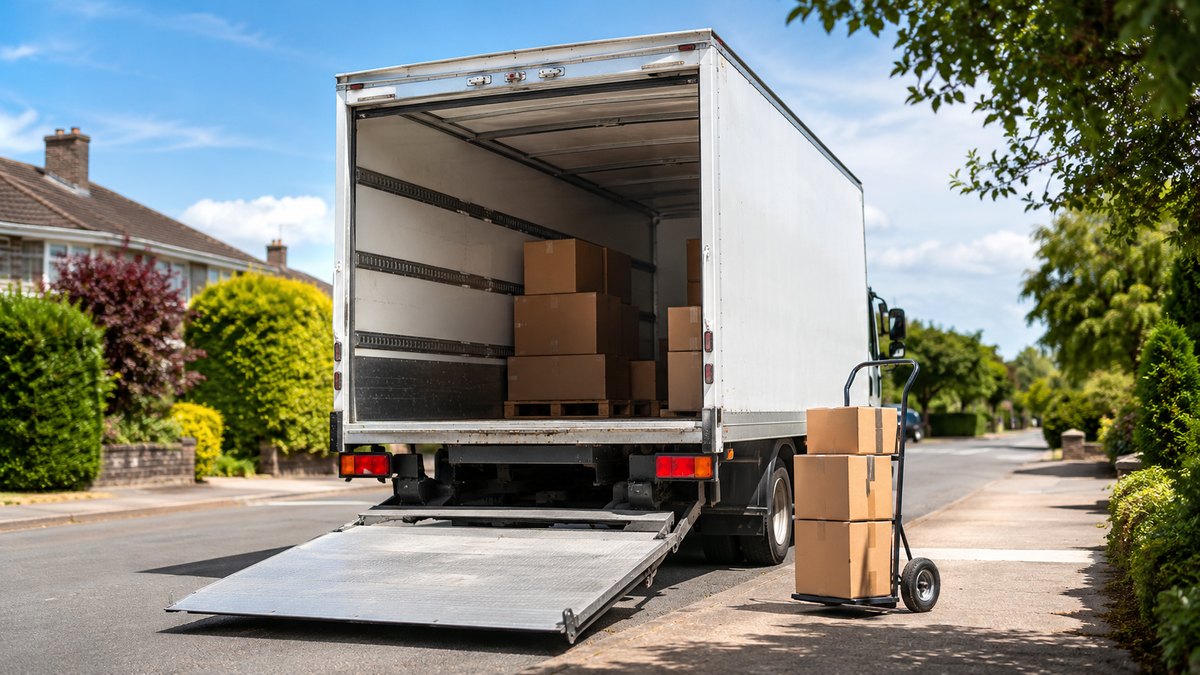
A box truck (also called a straight truck or Luton) has an enclosed cargo box mounted on the same chassis as the cab, unlike an articulated truck where the trailer detaches. They bridge the gap between a cargo van and a heavy rigid, and suit final-mile work such as furniture, appliance, palletised, and multi-stop retail delivery where volume matters more than long-haul range.
Do you need a special licence?
This is the first thing to confirm, because it varies by country and by the truck’s weight rating. As a general rule, lighter box trucks can be driven on a standard car licence, while heavier ones require a commercial licence or endorsement. In the United States, for example, a commercial driver’s licence is generally required above a defined weight threshold; other countries set their own limits. Always check the gross vehicle weight rating (GVWR) against the licence rules where you operate before you book — the rental company will expect the driver to hold the correct class. Authorities such as the FMCSA (or your national regulator) set out the requirements.
Match the truck to the freight
- Volume and payload. Check both the cubic capacity and the legal payload — a big box that is overweight when loaded is useless and illegal.
- Tail lift (liftgate). Essential for palletised or heavy freight without a loading dock. Specify it explicitly; not every truck has one.
- Door type. Roller shutters suit tight urban kerbs; barn doors suit dock loading.
- Load restraint. Look for tie-down rails or a load bar to secure cargo safely in transit.
Reading the rental contract carefully
| Contract term | What to check |
|---|---|
| Mileage allowance | Included distance and the per-kilometre penalty for overage — a real cost for multi-stop routes |
| Insurance & liability | Whether commercial goods-in-transit and liability cover are included or extra |
| Fuel policy | Return-full versus prepaid, and refuelling charges |
| Damage & excess | The deductible you are liable for, and pre-hire condition photos |
| Term & early return | Daily, weekly, or monthly rates and any early-return penalty |
Insurance you actually need
Standard rental cover often protects the vehicle, not your cargo or your business liability. For final-mile delivery you typically also need goods-in-transit cover for the freight and adequate public liability cover. Confirm what the rental includes and top up the gaps before the first load moves, because a single damaged consignment can dwarf the rental saving.
Rent or buy?
Renting makes sense while demand is unproven, seasonal, or growing fast, and it keeps maintenance off your plate. Once utilisation is consistently high, compare the monthly rental against a lease or purchase, factoring in maintenance, downtime cover, and how long you expect the route volume to last.
Frequently asked questions
Do I need a commercial licence to drive a box truck?
It depends on the truck’s weight rating and your country’s rules. Lighter box trucks are often drivable on a standard car licence, while heavier ones need a commercial licence or endorsement — always check the GVWR against local requirements first.
What is a tail lift and do I need one?
A tail lift (liftgate) is a powered platform that raises freight from ground level into the box. If you deliver heavy or palletised goods without a loading dock, specify one when booking — not all trucks have it.
What should I watch for in a box-truck rental contract?
The mileage allowance and overage penalty, what insurance is and is not included, the fuel and damage-excess terms, and the rate for your rental length. These details, not the headline price, decide the true cost.