Road rules, licensing, and vehicle regulations vary by country and state – always verify the requirements that apply where you drive before relying on this guidance.
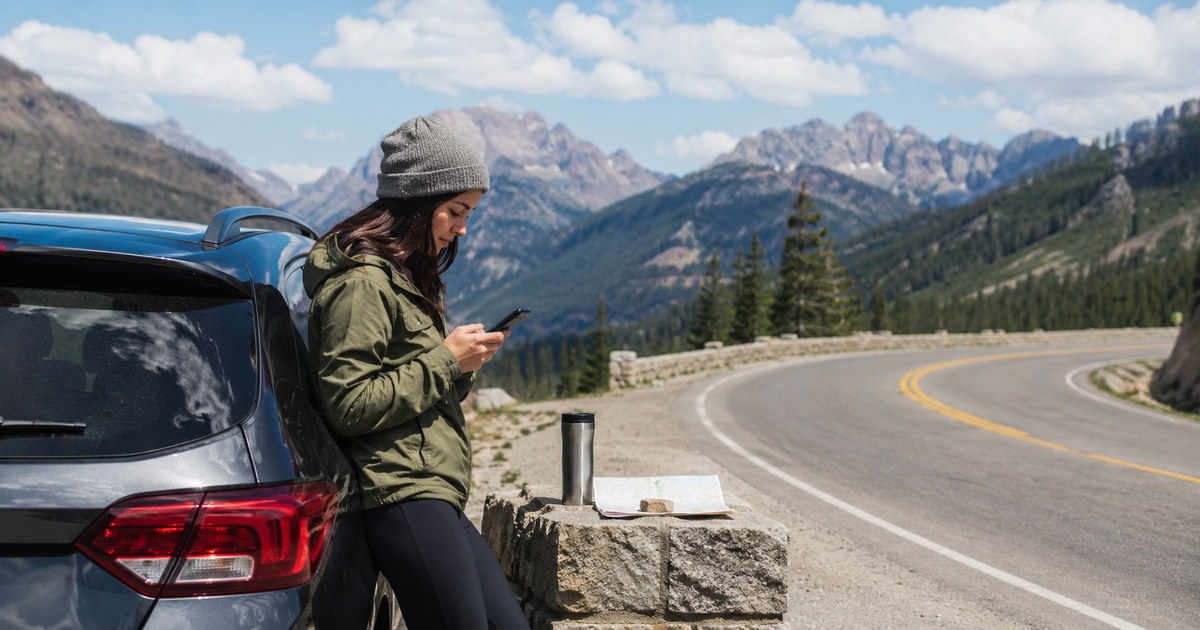
A solo road trip is one of travel’s great freedoms, and a little extra planning is what keeps that freedom safe. Driving alone means no one to share the wheel, spot problems or help if something goes wrong, so the habits that matter most are preparation, communication and managing fatigue.
Plan and share your route
Before setting off, plan your route, stops and rough timings, and share them with someone you trust, along with check-in points along the way. If anything goes wrong, someone knowing roughly where you are and when to expect contact can make a real difference. Travelling solo does not mean travelling unaccounted for, so a simple shared plan and periodic check-ins are among the most valuable safety steps you can take.
Prepare the vehicle
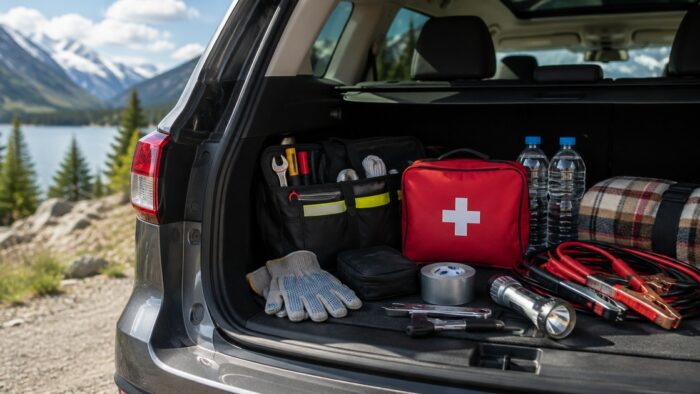
With no one else to rely on, vehicle reliability matters more, so service the car beforehand and check the essentials, tyres including the spare, fluids, brakes and lights, as our long-distance driving checklist covers. Carry a well-stocked emergency kit from our road trip emergency kit checklist, and make sure you have breakdown cover or know how to get help. A breakdown alone is far less stressful when the car is prepared and you are equipped.
Manage fatigue without a co-driver
Fatigue is the solo driver’s biggest risk, because there is no one to take over or notice you flagging. Plan realistic daily distances, take regular breaks, and stop to rest properly at the first signs of drowsiness rather than pushing on, since on a solo trip only you can make that call. Build rest into the schedule rather than treating it as lost time, and never trade safety for arriving sooner.
Stay connected and charged
Keep your phone charged, carry a car charger or power bank, and be aware of areas with poor signal so you are not caught without communication. Knowing how to call for help and having the means to do it is basic solo-travel safety. Consider letting your check-in contact know if you are entering a long stretch with no coverage, so a quiet phone is expected rather than alarming.
Be smart at stops and overnight
Choose stops and overnight stays with safety in mind: well-lit, populated, reputable places, and trust your instincts if somewhere feels wrong. Keep the car locked, valuables out of sight, and be aware of your surroundings when stopping, especially at night. Booking accommodation in advance avoids arriving somewhere unfamiliar late and tired with nowhere arranged, which is when judgement is weakest.
Keep valuables and documents secure
Travelling alone, you are responsible for everything, so keep documents, money and valuables secure and ideally not all in one place, and have copies of key documents accessible separately. Don’t advertise that you are travelling alone to strangers, and stay low-key about your plans in unfamiliar settings. Sensible discretion, rather than fear, keeps a solo trip relaxed and secure.
Enjoy the freedom, safely
None of this should make a solo road trip feel daunting, the preparation is what lets you relax and enjoy the independence. A serviced car, a shared route, managed fatigue, a charged phone, and sensible choices at stops cover the realistic risks, leaving you free to enjoy the open road on your own terms. Solo travel rewards the prepared, and with these habits in place it is one of the most liberating ways to see the world.
Solo road trip checklist
Before and during a solo trip:
- Plan your route and share it, with check-in points.
- Service the car and carry an emergency kit and breakdown cover.
- Plan realistic distances and rest at the first sign of fatigue.
- Keep your phone charged and know where signal is poor.
- Choose safe, well-lit stops and overnight stays; secure valuables.
Enjoy it, and trust your instincts
Beyond the practical safeguards, a solo road trip is meant to be enjoyed, and a relaxed, rested driver is also a safer one. Build in stops not just for fuel and rest but to actually appreciate the journey, since solo travel offers a freedom to set your own pace that is part of its appeal. Trust your instincts throughout: if a place, situation or person feels wrong, it is fine to move on, and there is no one else’s plan to accommodate. Stay aware without being anxious, keep your check-in contact updated, and let the preparation you have done free you to enjoy the independence rather than worry. With the route shared, the car prepared, fatigue managed and sensible habits at stops, the realistic risks are covered, leaving the open road to be exactly the liberating experience a solo trip should be, complementing the planning in our multi-day road trip guide.
Sources
Conditions and local risks vary. Use your own judgement, follow local advice, and prioritise rest and safety over keeping to a schedule.