Road rules, licensing, and vehicle regulations vary by country and state – always verify the requirements that apply where you drive before relying on this guidance.
Long-distance drives compound small problems into serious ones. A tire pressure issue that doesn’t matter on the daily commute becomes a blowout at highway speed 800 km from home. Driver fatigue accumulates differently than for routine driving. The checklist below covers what to verify before, during, and after long drives.
1-2 weeks before
Vehicle service
- Oil change if due within 5,000 km
- Coolant level and condition – verify mix and level
- Brake pad inspection – if approaching replacement, do it now
- Tire condition – tread, sidewall damage, age (anything over 6 years should be considered for replacement)
- Belt and hose inspection – visual check for cracks, swelling
- Battery test – load test if approaching 4+ years old
- Wiper blades – replace if streaking
- Air filter – replace if dirty
Documentation and route
- Insurance current – verify policy hasn’t lapsed
- Registration current
- Driver’s licence valid – including for any specific zones
- Roadside assistance membership – verify AAA/RAC/NRMA active
- Route planned – primary route and alternate
- Fuel stops identified – especially for low-traffic stretches
- Accommodation booked – at least the first night for multi-day trips
Day before
Final vehicle prep
- Tire pressure – check all four (and spare) cold; correct to door-jamb specification
- Fluid top-offs – washer fluid full, engine oil within limits, coolant within limits
- Lights working – headlights, brake lights, turn signals, reverse lights
- Spare tire and tools – verify spare inflated, jack and tire iron present
- Wash car – clean windshield interior (greasy film causes glare)
Sleep prep
Get 7-8 hours of actual sleep the night before departure. Fatigue compounds during long drives; starting tired guarantees micro-sleeps later.
Emergency kit
- Jumper cables or jump pack
- First aid kit
- Flashlight with fresh batteries
- Phone charger (12V outlet or USB)
- Water (1 gallon per person per day expected)
- Snacks (protein-heavy; avoid sugar crashes)
- Blanket
- Reflective triangle or flares
- Roadside assistance number
Day of departure
Morning of
- Eat a proper breakfast – not sugary; protein/fat sustained energy
- Hydrate but don’t overload – moderate water with breakfast
- Quick walk-around – visible damage, low tires, anything missed yesterday
- Plan first stop – 2 hours into the drive
Pre-departure checks
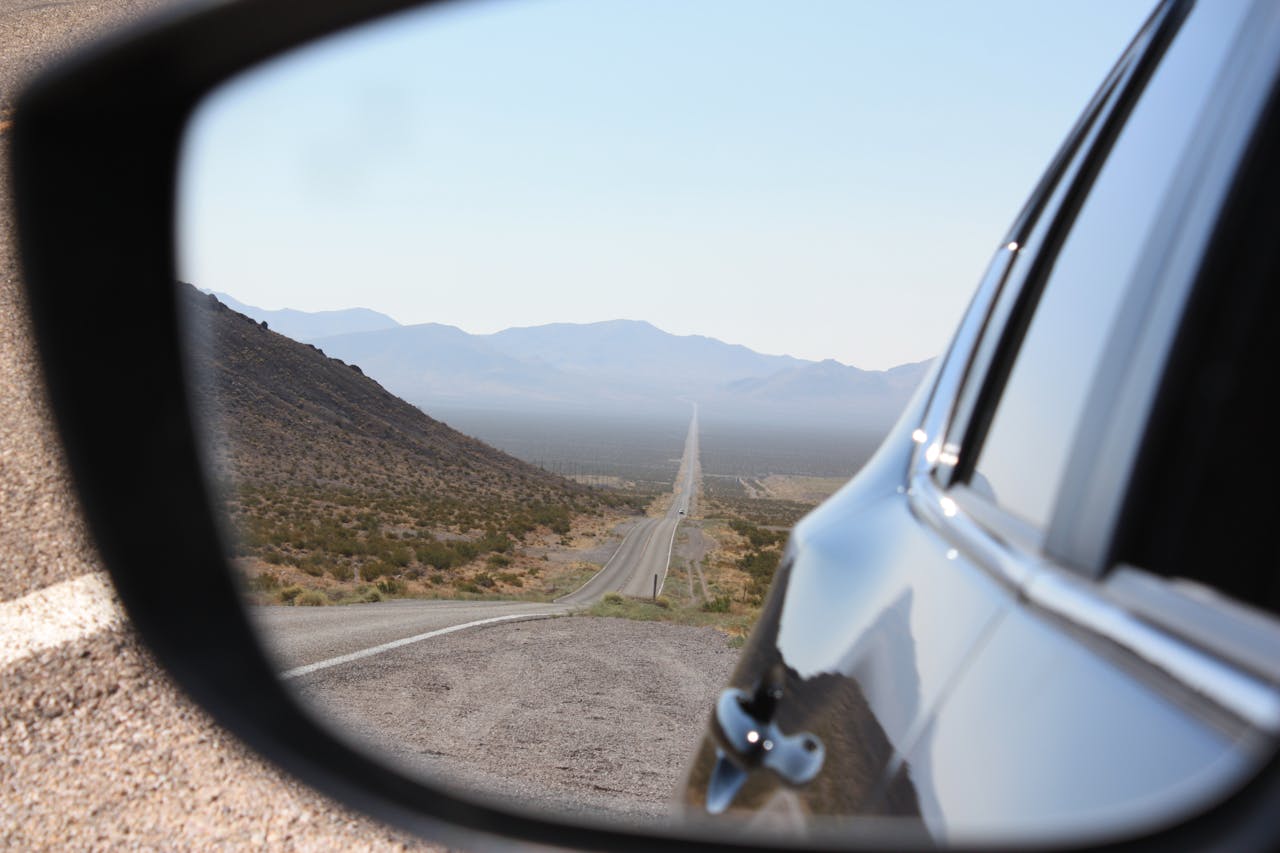
- Mirrors adjusted properly (modern: to eliminate blind spots)
- Seat at correct distance (slight bend in knees at pedal)
- Phone connected for hands-free
- Climate control set
- Music/podcasts queued (no playing with device while driving)
On the road
Every 2 hours – important
Stop for 10-15 minutes minimum. This isn’t optional even if you feel fine. Get out, walk around, hydrate, use restroom, eat protein. The 2-hour rule is the single most important fatigue prevention.
Watch for fatigue warning signs
- Heavy eyelids
- Difficulty focusing
- Drifting in lane
- Missing exits or signs
- Yawning frequently
- Erratic speed (slowing without realising)
Any of these means stop now. Coffee, loud music, and rolled-down windows don’t fix fatigue. 15-20 minute power nap or full overnight stop. If conditions allow, share driving with a co-driver.
Hydration
Dehydration accumulates on long drives and degrades concentration. Steady moderate hydration; not large sudden gulps.
Eye breaks
Highway monotony fatigues the eyes. Look at distant objects at stops; consider eye drops if cabin air is dry.
Multi-day trips
Daily mileage limits
- Comfortable daily distance: 600-800 km / 350-500 miles
- Maximum sustainable: 1,000 km / 600 miles in long summer days
- Above this regularly: Fatigue accumulates dangerously
Sleep quality matters more than quantity
A noisy motel near a highway gives less recovery than a quiet hotel further away. Invest slightly more on accommodation that allows proper sleep.
Vary the route
Highway-only multi-day trips fatigue more than mixed highway/secondary road routes. Variety helps engagement and reduces monotony fatigue.
Weather considerations
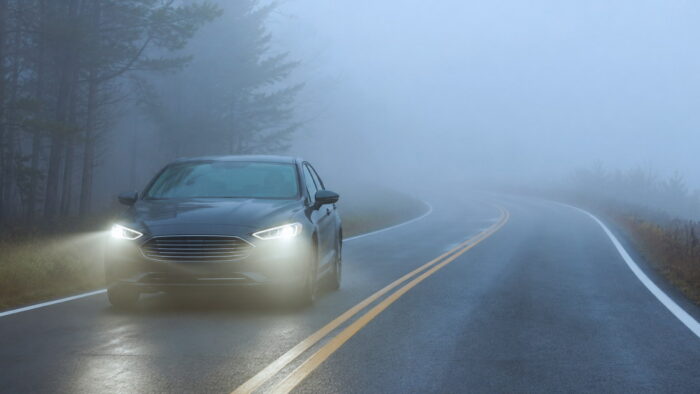
- Fog: low beams (not high beams which reflect back); reduce speed dramatically
- Snow/ice: seriously consider whether to drive; chains required in some areas
- Heat (desert routes): watch coolant temperature; consider early morning / late evening driving
- Wind: grip wheel firmly; especially for high-profile vehicles
End of trip
Vehicle care after long drive
- Let engine cool naturally; don’t shut off immediately after high-load driving
- Check tire pressure again (heat affects readings)
- Check for new fluid leaks where parked
- Wash off road salt or bug residue promptly
- If anything seems off mechanically – investigate before resuming routine use
Common long-distance mistakes
- Skipping the 2-hour stop rule. Fatigue is invisible until it’s dangerous.
- Pushing through tiredness. Pull over; sleep is the only fix.
- Insufficient vehicle prep. Routine commute vehicles aren’t always road-trip ready.
- Poor sleep night before. Starting tired guarantees fatigue later.
- Underestimating distances. 1,000 km on the map is 12+ hours of actual driving with stops.
- No emergency kit. Breakdowns happen in inconvenient locations.
A good trip plan leaves room to stop
Service the car 1-2 weeks ahead, pre-trip checks the day before, stop every 2 hours, watch for fatigue, limit daily mileage. Long-distance driving safety comes from consistency on basics, not from any one heroic technique. Verify local traffic laws and emergency procedures for routes outside your familiar area.
Common follow-up questions
How often should I stop on a long drive?
There is no single interval for every person. Plan regular breaks and stop sooner when attention, posture, lane position or reaction quality changes.
Should the car be serviced before every road trip?
Follow the service schedule, but arrange an inspection when the trip is demanding, the vehicle has a symptom or routine service is nearly due.
What should be kept within reach?
Water, required medication, a charged phone, documents and basic emergency items should be accessible without creating loose-object risk.
Adjust for rain without relying on a fixed formula
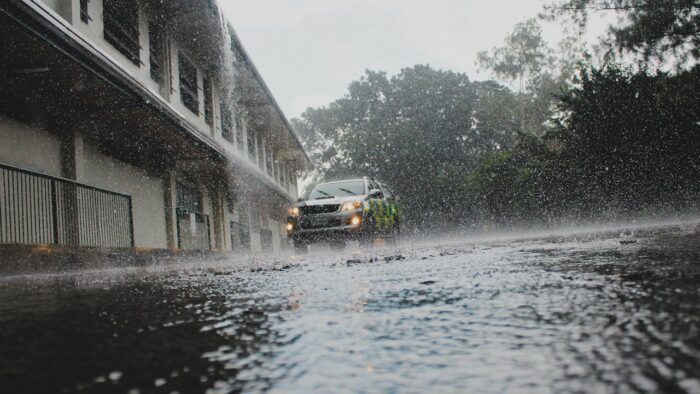
Reduce speed until visibility, tire grip and stopping space are comfortable for the conditions. Increase the following gap and stop at a safe place when lane markings or traffic can no longer be seen clearly.
Where to go next
- Road Trip Emergency Kit Checklist
- How to Plan a Multi-Day Road Trip
- Tire Maintenance Guide: Pressure, Tread, Rotation, Replacement
Sources and Further Reading
- NHTSA summer driving and road trip tips
- NHTSA drowsy driving guidance
- NHTSA vehicle recall lookup
- NHTSA: Summer Driving and Road Trip Tips
- NHTSA: Drowsy Driving
- NHTSA Vehicle Recall Lookup
Recheck recalls, weather and route conditions shortly before departure, even when the same trip has been completed before.