Road rules, licensing, and vehicle regulations vary by country and state – always verify the requirements that apply where you drive before relying on this guidance.
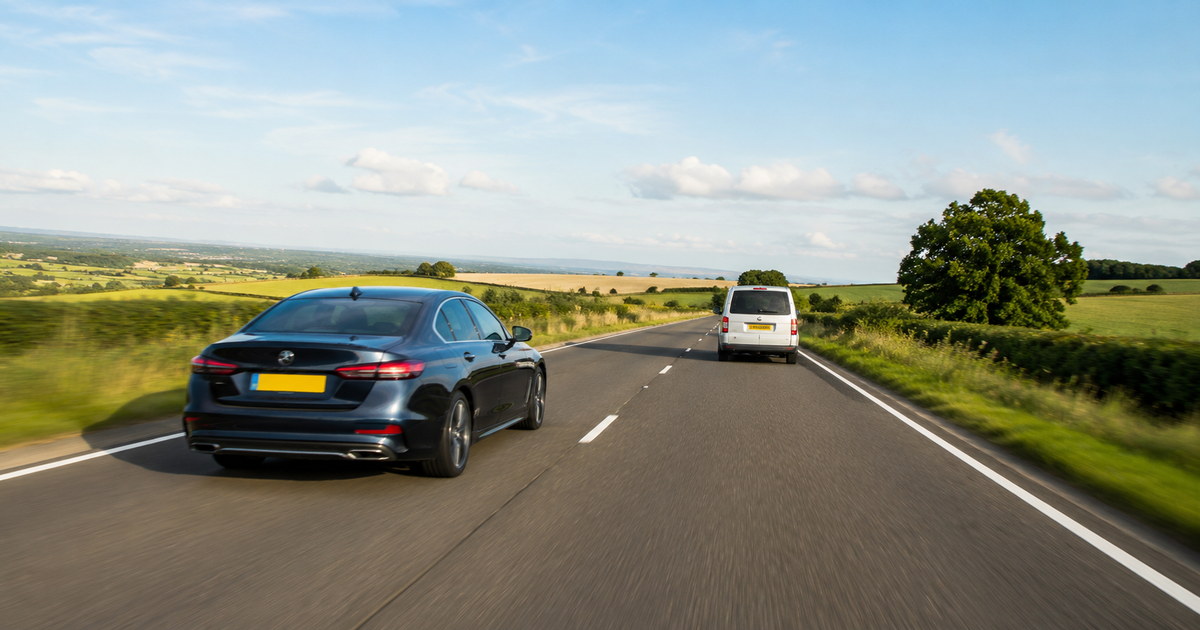
Overtaking on a two-lane road means briefly driving into the path of oncoming traffic, which makes it one of the highest-stakes manoeuvres in everyday driving. Head-on collisions from misjudged passes are among the most severe crashes there are, so the guiding principle is simple: if in any doubt, do not overtake.
Decide whether you even need to
Before anything, ask whether overtaking is worth it. On most journeys, passing one slow vehicle saves little time and adds real risk, so a patient driver who waits for a safe opportunity, or simply stays back, often arrives just as soon and far safer. Overtaking should be a considered decision, not an impatient reflex, especially behind a vehicle that may turn off soon anyway.
You need sight lines and space
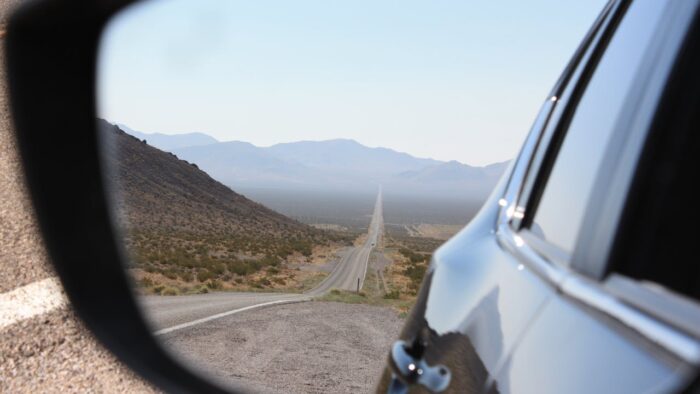
A safe overtake requires a long, clear view of the road ahead with no oncoming traffic for the whole distance you will need, plus space to pull back in. Never overtake where you cannot see far enough: approaching bends, crests of hills, junctions, pedestrian crossings, or anywhere marked with solid no-overtaking lines. If the road does not clearly give you the visibility and room, the answer is to wait.
Judge the closing speed
Misjudging how fast an oncoming vehicle is approaching is a classic fatal error, because closing speeds add up quickly: two cars approaching each other close the gap at the sum of their speeds. Give yourself a wide margin, far more room than feels strictly necessary, and remember that an oncoming vehicle is nearer and faster than it looks. If you are unsure whether the gap is enough, it is not.
Set up and commit
When a safe opportunity comes, position yourself to see past the vehicle ahead, check your mirrors and blind spot, signal, and then overtake decisively, accelerating firmly to spend as little time as possible on the wrong side of the road. A hesitant, half-hearted pass that dawdles alongside is dangerous. Once clearly past, signal and return to your lane smoothly, leaving the vehicle you passed enough room, which connects to avoiding the common driving mistakes.
Never overtake here
Some situations rule out overtaking entirely: solid centre lines, limited visibility, junctions and side roads where vehicles may pull out, near pedestrian crossings, in fog or rain, or where signs prohibit it. Also avoid overtaking a vehicle that is itself signalling to turn or overtake, or a long line of traffic you cannot clear in one safe move. Recognising these no-go situations prevents the worst outcomes.
Watch for large and slow vehicles
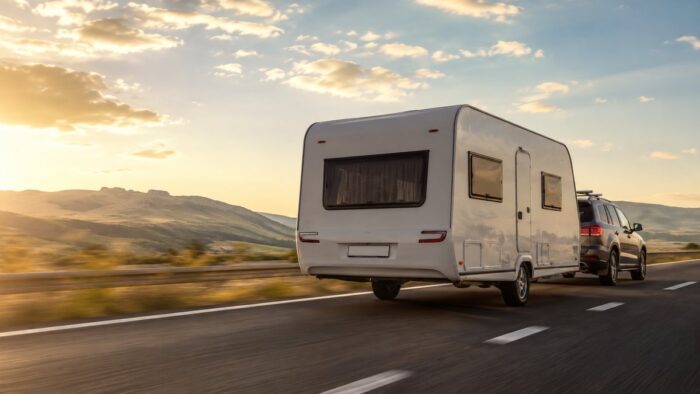
Overtaking trucks and other long vehicles needs even more room and time, because they take longer to pass and you must not cut back in too soon in front of a vehicle that needs a long stopping distance, as our long-distance driving guidance reflects. Give yourself a clearly bigger margin for anything long or heavy, and make sure you can see well past it before committing.
Patience is the safest tactic
The overwhelming theme of safe overtaking is restraint: most passes are unnecessary, the time saved is small, and the downside of getting it wrong is catastrophic. A driver who only overtakes when the road plainly offers a long, clear, legal opportunity, and who is happy to wait otherwise, eliminates the vast majority of overtaking risk. When the situation is anything less than obviously safe, staying put is always the right call.
Safe overtaking checklist
Only overtake when:
- You genuinely need to and it’s worth the risk.
- You have a long, clear view with no oncoming traffic and room to return.
- There are no solid lines, bends, crests, junctions or crossings.
- You can complete the pass decisively with a wide safety margin.
- It’s not a long or turning vehicle you can’t safely clear – if in doubt, wait.
When you are the one being passed
Overtaking safety works both ways, and being a considerate slower vehicle helps everyone. If someone is overtaking you, do not speed up, which is both dangerous and discourteous, since it traps them alongside oncoming traffic; if anything, ease off slightly to let them complete the pass and pull back in safely. If you are holding up a queue of traffic on a slower vehicle, look for safe opportunities to let them by, using pull-in points or slow-vehicle lanes where they exist. Making yourself easy to pass reduces the frustration that pushes others into risky overtakes. This cooperation, the overtaker waiting for a genuine gap and the overtaken not obstructing it, is what keeps two-lane roads flowing safely, and it reflects the same courtesy that prevents many of the conflicts behind the common driving mistakes.
Sources
Overtaking laws, road markings and conditions vary. Always follow local rules and never pass where visibility or road markings forbid it.