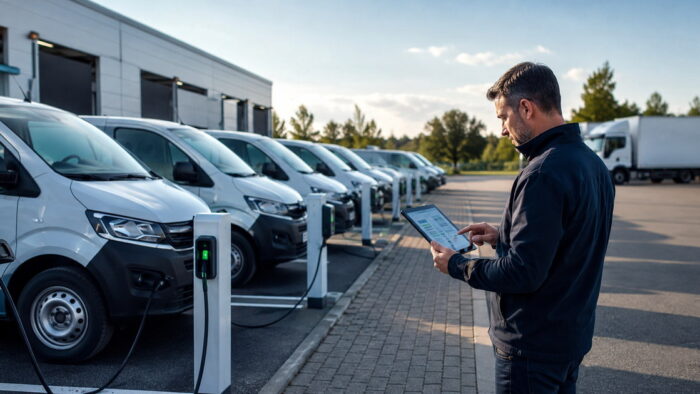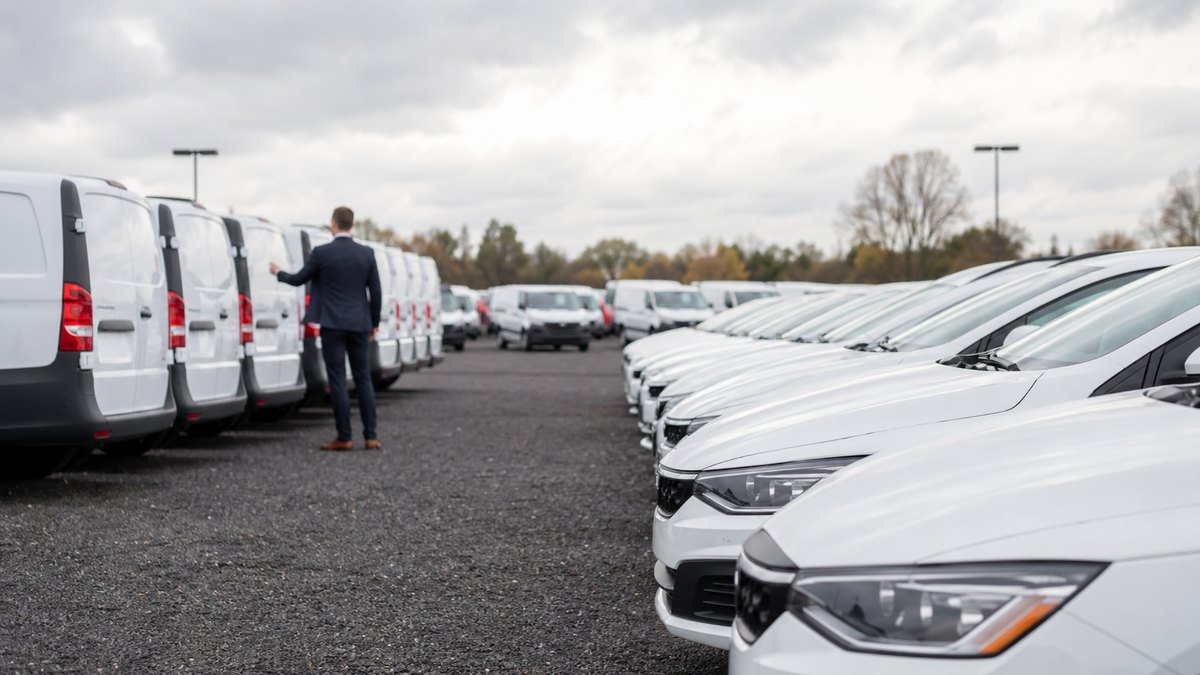
Buying vehicles one at a time from a dealer is the most expensive way to build a fleet. Small businesses that need several vans, utes, or cars can often save thousands per unit by buying wholesale — through auctions, ex-rental disposals, or government surplus. The catch is that the buyer takes on the risk, so knowing what to inspect matters more than the sticker saving.
Where do wholesale fleet vehicles come from?
Most wholesale stock falls into a few streams: ex-rental cars cycled out after a year or two, ex-lease and ex-fleet vehicles returned at the end of a contract, government surplus such as retired agency vehicles, and dealer trade-ins sold on at auction rather than retailed. Each stream has a different wear pattern, and that pattern should drive your inspection.
Ex-rental vs ex-government: which is the better buy?
| Source | Strengths | Watch for |
|---|---|---|
| Ex-rental | Recent models, full service history, often still near warranty | Many different drivers, hard cold starts, kerbed wheels, heavy short-trip wear |
| Ex-lease / ex-fleet | Regular servicing, documented life, often one operator | High motorway mileage, worn driver’s seat and pedals, tyres near the limit |
| Ex-government | Heavy-duty components, meticulous maintenance records | Long idle hours, basic interiors, specialist fit-outs to remove |
| Auction trade-ins | Lowest prices, wide choice | Little or no history, sold as-is, limited inspection time |
What to inspect before a bulk purchase
When you are buying several vehicles, small faults multiply, so build a repeatable checklist:
- Idle hours versus driven distance. A vehicle with modest kilometres but heavy idling (common in service and government fleets) has more engine wear than the odometer suggests. Ask for telematics or servicing data.
- Transmission behaviour. Check for smooth, prompt shifts, no slipping, and no harsh clunks — gearbox repairs are among the costliest.
- Suspension and steering fatigue. Listen for knocks over bumps and check for uneven tyre wear that points to worn bushes or misalignment.
- Service records and recalls. Confirm the log book and check outstanding safety recalls for each VIN.
- Structural and flood history. Look for mismatched panels, corrosion, and a damp or musty interior.
Getting the numbers right
Wholesale price is only part of the cost. Budget for reconditioning, tyres, safety certification, registration transfer, and any fit-out changes (removing decals, radios, or racking). Compare the all-in figure per vehicle against a comparable retail purchase, and factor in fuel type and expected running costs over the years you intend to keep the vehicle. Because this is a financial decision that affects the business, treat the used-vehicle buying guidance from consumer authorities such as the US Federal Trade Commission (or the equivalent body in your country) as a baseline for your due diligence, and consider an independent pre-purchase inspection for any vehicle you cannot examine thoroughly yourself.
Financing and paperwork
Wholesale and auction purchases often need faster payment than retail, so arrange finance or a commercial line of credit before you bid. Confirm how title and registration transfer works for business ownership in your jurisdiction, and keep a paper trail for tax and depreciation. If you are buying across state or national borders, check compliance and emissions rules at the destination before you commit.
Frequently asked questions
Are ex-rental cars a bad buy?
Not necessarily. They are usually late-model and well-serviced; the real risk is heavy short-trip use and many different drivers, so inspect the wheels, cold-start behaviour, and interior wear carefully.
How many vehicles do I need to buy to get wholesale prices?
Auctions and disposal channels are open to small buyers, and even two or three vehicles can beat retail. Some dealers also offer fleet pricing from around five units — it is worth asking.
Should I get each vehicle inspected?
For anything you cannot examine in detail, yes. An independent pre-purchase inspection costs far less than one avoidable gearbox or engine repair across a small fleet.