Electrifying a fleet can cut running costs and emissions, but it succeeds or fails on planning, not enthusiasm. Treating it as a phased project, matching the right vehicles to the right routes, building charging, and modelling the real costs, is what separates a smooth transition from an expensive misstep.
Start by assessing suitability
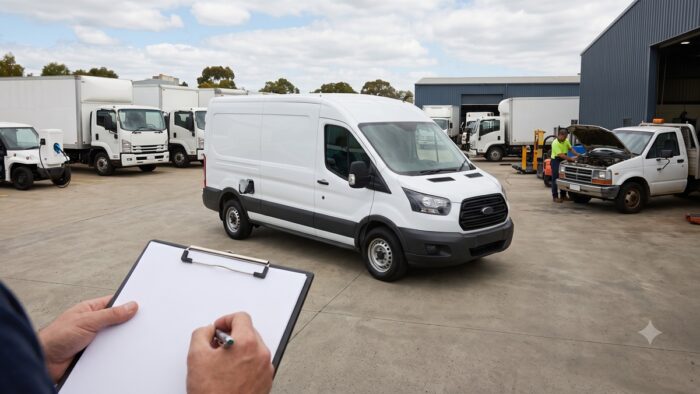
Not every vehicle or route suits an EV today, so begin by analysing how your fleet actually operates: daily mileage, routes, duty cycles, and where vehicles park overnight. Predictable routes with mileage comfortably within EV range and reliable depot parking for charging are the strongest early candidates, while very long-haul or unpredictable duties may suit electrification less for now. Matching vehicle to task is the foundation, much as in our EV suitability discussion.
Charging infrastructure is the make-or-break
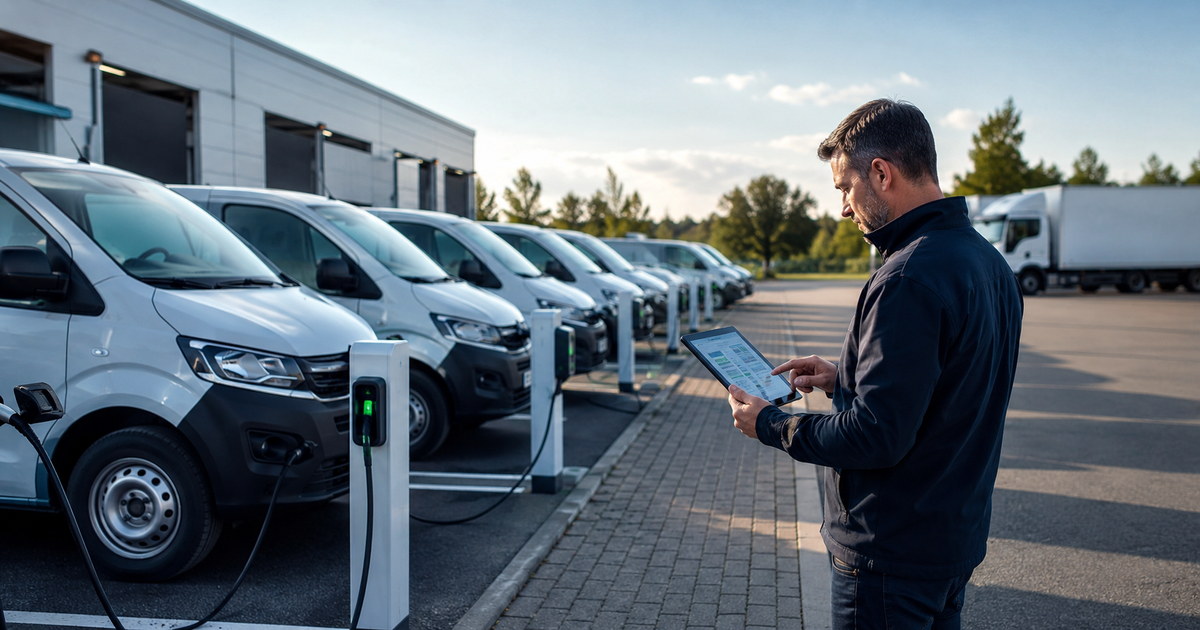
For most fleets, depot charging is the heart of electrification, and it needs planning: how many chargers, at what power, drawing on what electrical capacity, and managed so the site is not overwhelmed at peak. Charging is usually the larger and slower part of the project than buying the vehicles, often involving electrical upgrades, so it should be scoped early. Getting charging right is what makes the vehicles usable day to day.
Model total cost of ownership
EVs typically cost more to buy but less to run, with lower energy and often lower maintenance costs, so the comparison that matters is total cost of ownership over the vehicle’s life, not the purchase price alone. Factor in energy costs, maintenance, incentives, and residual value, alongside the charging infrastructure investment. Modelling this honestly, building on the cost focus in our reduce fleet fuel costs guide, shows where electrification pays and where it does not yet.
Mind the operational details
Electrification changes daily operations: drivers and managers need to think in terms of charging rather than refuelling, plan around charging time, and understand range in real conditions including cold weather, which temporarily reduces range. Build these into scheduling so vehicles are charged and ready, and train staff on the new routines. Overlooking the operational shift is a common reason early electrification disappoints, even when the vehicles are capable.
Phase the rollout
Rather than switching everything at once, start with a pilot of the most suitable vehicles and routes, learn from it, then expand. A phased approach limits risk, lets you refine charging and operations on a small scale, and builds confidence and data before larger investment. It also lets infrastructure and the wider charging network keep maturing as you grow, which is sensible given how fast the landscape is changing.
Consider the whole vehicle mix
Electrification need not be all-or-nothing: many fleets run a mix, electrifying the suitable vehicles while keeping conventional or hybrid options where they fit better for now, an approach that connects to the trade-offs in our electric trucks versus diesel comparison. Matching each vehicle to the best technology for its job, rather than forcing a single answer, often gives the best overall result during the transition.
Plan the journey, not just the purchase
Successful fleet electrification is a planned journey: assess suitability, build charging, model true costs, adapt operations, and roll out in phases, reviewing and scaling as you learn. Done that way, it can deliver lower running costs, reduced emissions and a future-ready fleet. Rushed without that groundwork, it risks idle chargers, frustrated drivers and disappointed budgets, so the planning is where the value is won.
Fleet electrification checklist
Plan the switch carefully:
- Assess which vehicles and routes suit EVs by mileage, duty and parking.
- Scope depot charging early, including electrical capacity and management.
- Model total cost of ownership, not just purchase price.
- Adapt scheduling and train staff for charging and real-world range.
- Pilot first, then expand in phases; keep a sensible vehicle mix.
Incentives and managing charging costs
Two financial details strongly affect the case for electrifying. First, incentives, grants, tax credits and utility programs can meaningfully offset the higher purchase cost and the charging infrastructure, so it is worth researching what is available for fleets in your region before modelling the numbers. Second, charging cost is not just the energy price: commercial sites can face demand charges based on peak power draw, so charging many vehicles simultaneously at high power can be expensive. Managed or smart charging, spreading charging across off-peak hours and limiting simultaneous peak draw, can substantially reduce these costs and the electrical capacity you need to install. Factoring incentives and smart charging into the total-cost-of-ownership model, alongside the savings focus in our reduce fleet fuel costs guide, often changes the picture for the better and is central to making fleet electrification genuinely pay rather than simply look green.
Depot charging
Charging one van overnight is trivial. Charging twenty or fifty in the same window is a site-power problem, and it is the part of electrification that most plans underestimate. Before ordering any hardware, find out how much power your site can actually draw and what a grid-connection upgrade would cost and take – that number, and the lead time attached to it, tends to set the shape of the whole rollout.
The second lever is when you charge rather than how fast. Commercial electricity bills often carry a demand charge based on your highest peak of power draw, so a smart-charging setup that staggers vehicles across the overnight window can cost meaningfully less than one that starts every charger at the same moment. Match the hardware to the duty cycle too: vans that return each evening and leave each morning are usually best served by many lower-power AC chargers rather than a few expensive fast ones, which suit vehicles that turn around mid-shift.
Depot charging also protects the asset. Slower overnight charging is easier on the battery – the most expensive component in the van – than repeated rapid charging, and depending on public chargers for a delivery fleet is usually a false economy once you count the higher rates and the driver time spent waiting.
Related guides
Sources
- US DOE Alternative Fuels Data Center: electric vehicles and fleets
- US DOE Alternative Fuels Data Center: electric vehicles
Vehicle suitability, charging costs and incentives vary by operation and region. Model your specific fleet and routes, and use qualified installers for charging.