Electric and diesel trucks should be compared against a measured duty cycle, not a broad claim that one technology is always cheaper or cleaner. Route length, payload, depot power, weather, driver schedule and support network can change the answer.
Begin with the route data
- Daily and seasonal distance
- Payload and axle use
- Time parked at the depot or customer site
- Road speed, gradients and climate
- Unplanned detours and emergency work
- Driver hours and mandatory breaks
Use several months of representative data where possible. An average day can hide the small number of demanding days that determine whether a truck completes the work.
Where electric trucks often fit more easily
Predictable return-to-base work gives the fleet control over charging, inspection and dispatch. Urban delivery, refuse, yard, port and regional routes may suit electrification when the truck has adequate payload and a dependable charging window. Quiet operation and reduced local tailpipe emissions can also matter at night or in densely populated areas.
Where diesel may remain simpler
Long, variable routes with limited dwell time or uncertain charging can favour diesel. Remote work, emergency response, heavy seasonal demand and frequent towing may also be difficult until suitable vehicles, charging and service support are available. That does not make the route permanently unsuitable; it means the current operating risk should be acknowledged.
Charging is a site project
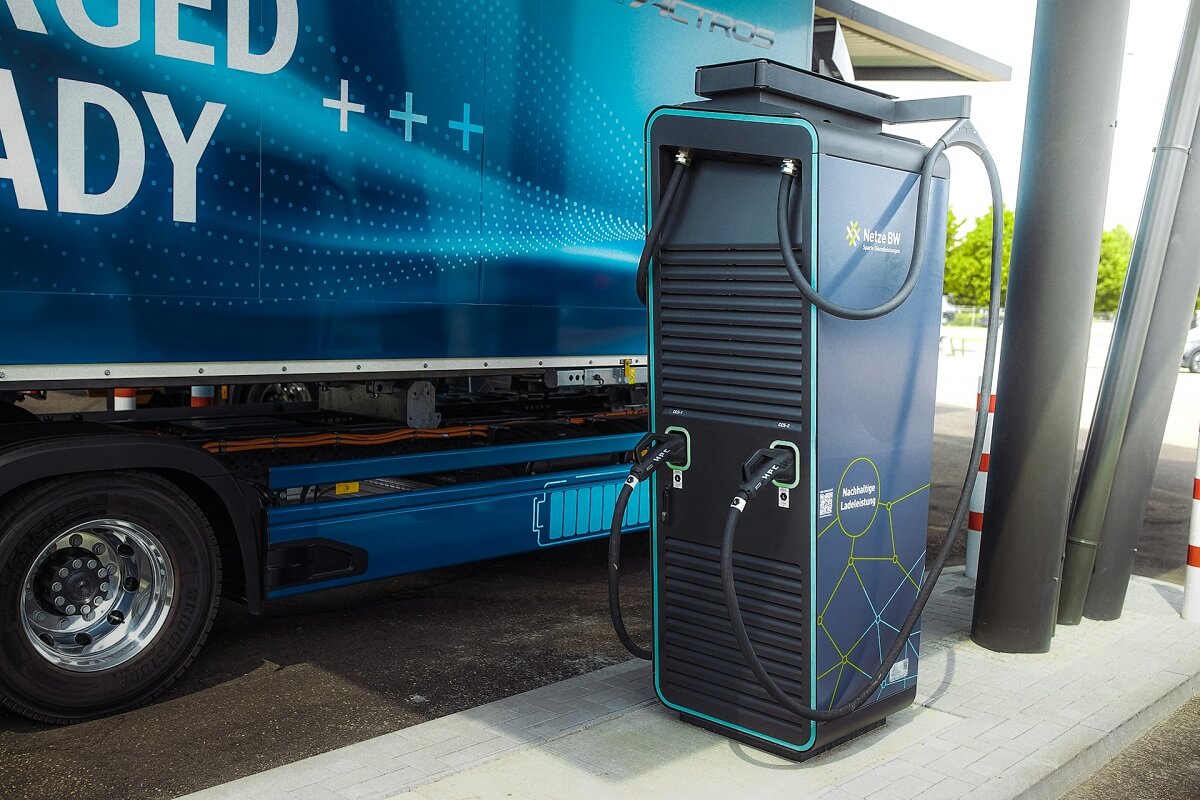
The truck is only one part of the programme. The depot may need electrical assessment, utility coordination, civil work, permits, charger management and a plan for power failure. Charging positions must suit vehicle movement without creating cable, fire or access hazards.
Plan which trucks charge first, what happens when a charger is unavailable and whether the site can add more vehicles later. A charger specification on paper is not the same as an operating depot.
Payload and range need the exact specification
Battery mass, body configuration and axle ratings affect usable payload. Energy use also changes with speed, temperature, elevation, auxiliary equipment and load. Use the exact vehicle configuration and allow a reserve rather than treating brochure range as a guaranteed route distance.
Compare total cost with local assumptions
- Purchase or lease and available incentives
- Charging equipment, site work and demand charges
- Fuel or electricity under the fleet’s tariff
- Maintenance, tires and workshop training
- Downtime, replacement vehicle and roadside support
- Resale, warranty and battery obligations
Keep assumptions separate from confirmed quotes. Electricity price and charging pattern can matter as much as vehicle efficiency, while diesel cost and maintenance vary by duty.
Maintenance changes rather than disappears
Electric drivetrains have fewer routine engine-related tasks, but the truck still needs tires, brakes, suspension, cooling, high-voltage inspection and body maintenance. Workshops require safe isolation procedures, tools and trained staff. Diesel fleets need established preventive maintenance and emissions-system care.
Run a representative pilot
- Choose a route that reflects normal freight and weather.
- Install charging and data collection before the truck arrives.
- Train drivers, dispatchers, technicians and emergency contacts.
- Record energy, dwell time, payload, faults and route changes.
- Include difficult days, not only a launch demonstration.
- Decide what would justify expansion, redesign or stopping the pilot.
A mixed fleet can be a deliberate strategy
Electrify routes that fit and keep another technology for work that does not. A mixed fleet may reduce transition risk while the business learns about charging, driver acceptance and maintenance. The right ratio can change as routes, vehicles and infrastructure improve.
Pilot the route before scaling the fleet
The most credible comparison is built from local quotes and operating data. A truck that works well in one depot may be a poor fit in another, even when the annual distance looks similar.
Ask what happens on the worst normal day
Do not design the comparison around a perfect summer route. Test the heaviest regular payload, cold or hot weather, traffic delay and a charger outage. The fleet needs a plan for a truck that returns late or misses its normal charging window.
For diesel, include the operational risk of emissions-system faults, fuel availability and future access rules. For electric, include utility delays, charger service and temporary replacement vehicles. Both technologies have risks; the useful comparison makes them visible.
Plan the people change as carefully as the hardware
Drivers need orientation on range, regenerative braking, charging and fault reporting. Technicians need safe high-voltage procedures and clear limits on what can be repaired in-house. Dispatchers need to understand charging windows and which routes can be swapped without stranding a vehicle.
A pilot can fail through poor coordination even when the truck itself is capable. Give one person ownership of the route, charger, data and supplier questions.
More practical guides
Fleet Management for Beginners: The First-Year Playbook, Home EV Charging Guide, EV Road Trip Planning Guide.
Related guides
Sources and Further Reading
- Alternative Fuels Data Center EV benefits and considerations
- Alternative Fuels Data Center home charging guidance
- Alternative Fuels Data Center public charging guidance
- Alternative Fuels Data Center: EV Benefits and Considerations
- Alternative Fuels Data Center: Home Charging
- Alternative Fuels Data Center: Public Charging
Electric-truck suitability depends on the measured route and charging site. Pilot data is more valuable than a broad claim about either powertrain.