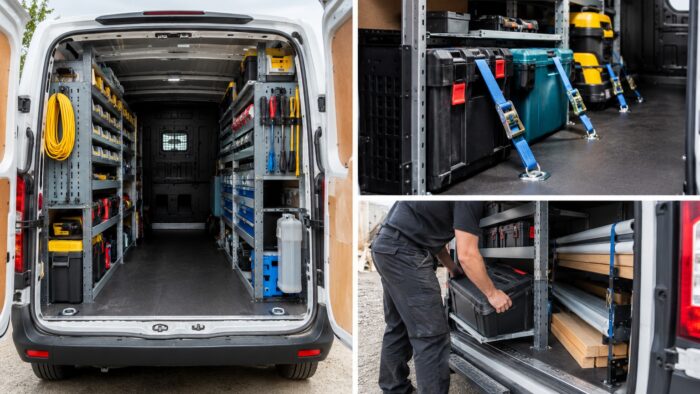
Cargo van rental becomes expensive when the van is chosen by appearance rather than measurements. The door opening, legal payload, roof height and rental exclusions matter more than the badge on the bonnet.
The cheapest cargo van is not a good deal if the load does not fit or the rental terms do not match the job. Measure the cargo, estimate total weight and check loading access before booking. Compare the final price, insurance and mileage allowance rather than only the daily rate.
Select a van from internal dimensions and legal payload, confirm who may drive it, understand damage and liability cover, inspect before departure and load within the limits. Plan the route for height, parking and unloading space.
Before booking: measure the load
Internal length
Measure the longest item and allow space for doors and restraint.
Door opening
A large item may fit inside but not pass through the rear or side door.
Payload
Include driver, passengers, equipment and cargo.
Loading height
A ramp or tail lift may be necessary for heavy or wheeled items.
Vehicle height
Check bridges, car parks, drive-throughs and loading bays.
Before paying: read the parts that change the final price
- Mileage: Compare included distance and excess charges.
- Fuel or charging: Know the return level and nearby refuelling or charging options.
- Deposit: Confirm the amount, card requirement and release process.
- Drivers: List every authorised driver and check age or licence restrictions.
- One-way use: A different return branch may add cost or be unavailable.
- Commercial activity: Confirm that the intended business use is permitted.
Before declining cover: find the exclusions
Ask what covers damage to the van, third-party liability, overhead damage, tires, glass, underbody, keys and towing. Vans may have different exclusions from passenger cars, especially for height-related impacts and incorrect loading.
Check whether a card or outside policy covers the exact vehicle class and use. Keep the written terms and claim instructions.
At collection: photograph more than the bodywork
- Photograph all sides, roof where safely visible, wheels, glass, cargo floor and door edges.
- Record warning lights, odometer, fuel or charge level and existing interior damage.
- Test doors, locks, lights, mirrors, reversing camera and supplied loading equipment.
- Report missing damage on the condition record before leaving.
- Save the branch contact and roadside-assistance number.
After pickup: remember that a van is not a large car
Place heavy items low, distribute weight within axle limits and secure cargo so it cannot move. A van may be taller, wider and longer than the driver’s normal car, with different braking and turning behaviour.
Use a spotter when reversing only when the person is trained, visible and using agreed signals. Stop if the spotter disappears from view.
Cargo van rental questions
- Can I drive a cargo van on a normal car licence?
It depends on the vehicle weight and local licence rules. Confirm the exact registered mass with the rental branch. - What happens if the roof is damaged?
Many agreements treat overhead damage separately or exclude it from a standard waiver. Read the terms and know the vehicle height. - Should I rent a bigger van to make loading easier?
Only when the driver can operate it legally and safely. A larger van may add cost, height and parking difficulty, and it still has a payload limit.
Do a measurement check before reserving
Measure the longest, widest and tallest items, then compare those numbers with both the cargo area and the door opening. Add space for a trolley, blankets, straps and the path used to move items inside. An item that technically fits may still be impossible to turn through the rear doors.
Estimate weight separately from volume. A van can run out of legal payload while there is still empty space inside. Ask the rental branch for the payload of the exact vehicle being supplied, not a generic figure for the model range.
Plan the return before the job begins
Allow time to unload, sweep the cargo area, refuel or recharge, photograph the vehicle and obtain a return receipt. After-hours key drops can be convenient, but they may leave the vehicle unchecked until the branch opens. Read how responsibility is handled during that gap and keep time-stamped photographs.
Think about the route from the driver’s seat
Before leaving the branch, set the mirrors, learn the reversing camera view and note the vehicle height. Enter the first destination with enough detail to avoid an unsuitable car park or low entrance. For urban work, check loading restrictions and where the van can wait without blocking traffic.
A fully loaded van may accelerate, brake and turn differently from the empty vehicle collected at the branch. Leave more space, take corners smoothly and stop to recheck the load after the first part of the journey.
Keep reading
- Cargo Van vs Pickup Truck: Which Is Right for Your Business?
- Car Rental Insurance Explained: What You May Need
- Best Vans for Small Businesses: 2026 Buying Guide
When a box truck makes more sense
A cargo van has a ceiling. When the load is taller, longer or heavier than the van you were quoting for, the next step up is a box truck – also called a straight truck or a Luton. It carries an enclosed cargo box on the same chassis as the cab, so you get considerably more cubic capacity, usually with a tail lift, in exchange for a vehicle that is harder to park and manoeuvre.
Two things decide whether it is the right hire. The first is licensing: what you are allowed to drive depends on the truck’s weight rating and on the licence classes in your country, so confirm it before you book rather than at the rental counter. The second is capacity, and it has two halves – check the cubic capacity and the legal payload separately, because a box large enough for the job can still be overweight once it is loaded.
The contract deserves more attention than it does on a van. Check the mileage allowance and the per-kilometre charge that applies once you pass it, and read what the insurance actually covers: standard rental cover usually protects the vehicle, not your cargo or your business liability, which for delivery work is the exposure that matters. If your demand is seasonal or still unproven, renting keeps maintenance and depreciation off your own books while you find out.
Related guides
Sources and Further Reading
- FTC consumer guidance on renting a car
- NHTSA vehicle recall lookup
- FTC Consumer Advice on Renting a Car
- NHTSA Vehicle Recall Lookup
Rental payload, height and damage exclusions must be confirmed on the assigned van, particularly when the booking allows substitutions.