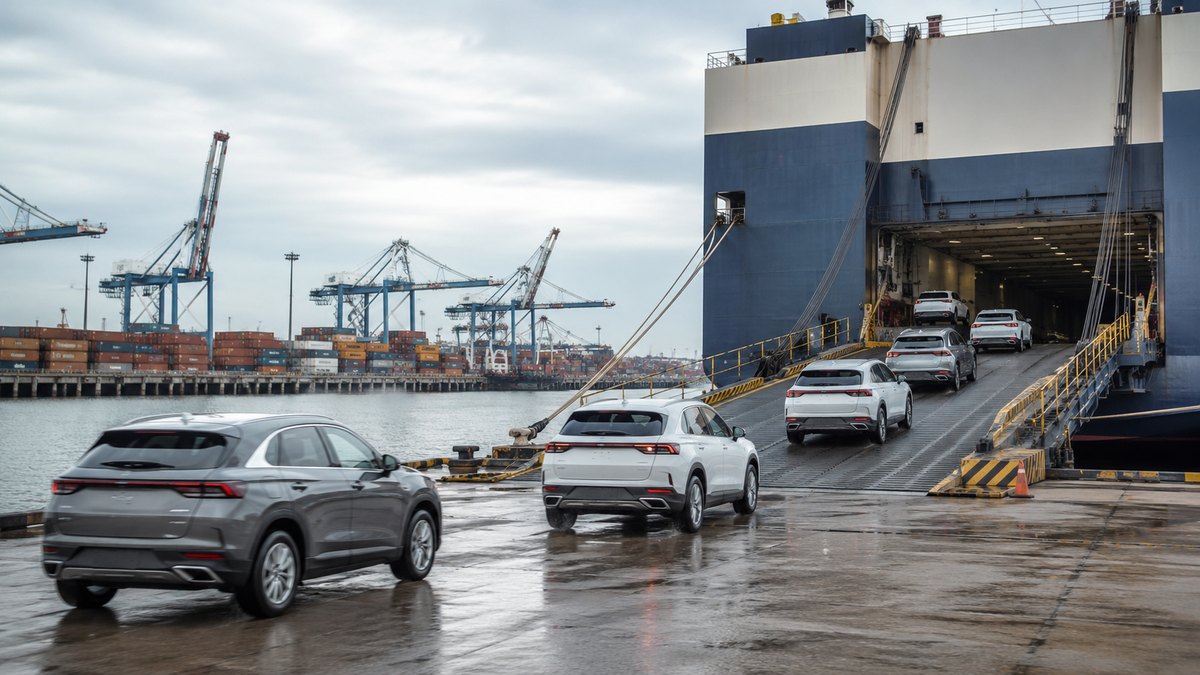
Moving a vehicle across an ocean or a border is more about paperwork than driving. Whether you are an expatriate relocating, buying a car abroad, or moving for work, understanding the shipping methods and the customs process saves money and avoids costly delays at the port.
The two main ways to ship a car
Almost all international vehicle shipping uses one of two methods: Roll-on/Roll-off (RoRo), where the car is driven onto a dedicated vessel and secured on a deck, or container shipping, where the vehicle is loaded and braced inside a shipping container.
| Factor | RoRo | Container |
|---|---|---|
| Cost | Usually cheaper | Higher |
| Security & protection | Exposed to the marine environment on deck | Enclosed; more protection and privacy |
| Personal items inside | Generally not allowed | Sometimes allowed (declare and check rules) |
| Availability | Fixed RoRo routes and schedules | Widely available; can share a container to cut cost |
| Best for | Standard road-worthy cars on a budget | High-value, classic, or non-running vehicles |
What paperwork do you need?
Requirements vary by country, but you will usually need the vehicle title or proof of ownership, registration, a bill of lading, a government-issued ID or passport, and a purchase invoice. Missing or mismatched documents are the most common cause of a vehicle being held at the destination port, so confirm the exact list with your shipper and the destination customs authority well in advance.
Customs, duties, and compliance
At the destination you will typically face import duty and taxes calculated on the vehicle’s value, plus compliance or homologation checks to confirm the car meets local emissions and safety standards. Some countries restrict the age of imported vehicles or require modifications such as lighting changes for left- or right-hand traffic. Budget for these before you ship – an unexpected duty bill or a car that cannot be registered locally is an expensive surprise.
Preparing the vehicle for shipment
- Clean it inside and out – many countries inspect for soil, seeds, and pests, and will reject a dirty vehicle.
- Leave about a quarter tank of fuel and disable the alarm.
- Remove personal belongings and toll tags unless container rules allow otherwise.
- Photograph the car from all angles and note existing damage before handover.
- Arrange marine insurance for the shipped value; standard motor policies usually do not cover ocean transit.
Timelines and choosing a shipper
Ocean transit can take from about a week to several weeks depending on route, plus time for customs clearance at each end. Choose a licensed international auto transporter or freight forwarder, confirm what their quote includes (port fees, insurance, and destination handling are often extra), and get the full landed cost in writing. For broad guidance on transport and vehicle regulations, national bodies such as the US GOV.UK: importing vehicles into the UK (worked example of an import process) and your destination country’s customs and transport authorities are the authoritative sources to check.
What actually drives the price
Quotes for the same car on the same route can differ widely, and the variation usually comes down to four things rather than one. Method is the largest: a shared container or roll-on roll-off sailing costs considerably less than a sole-use container, because you are buying a share of the space rather than all of it. Route and frequency matter next – a busy commercial lane with weekly sailings prices better than an occasional one, whatever the distance.
Then there is what happens at each end. A quote to the port is not a quote to your door, and inland haulage, port handling, storage if the car sits waiting, and the customs agent’s fee are all real costs that sometimes appear as extras rather than in the headline figure. Finally there is the vehicle itself: anything non-standard in size, anything that does not run and drive, and anything requiring special handling moves the price.
When comparing quotes, ask each shipper what is not included. It is a faster route to a like-for-like comparison than asking what is.
Insurance while it is in transit
Your ordinary motor policy will not normally cover a car crossing an ocean, and the shipping company’s liability is usually limited by the terms of carriage rather than matching the value of the vehicle. Marine cargo insurance is the product that fills the gap, and it is worth arranging deliberately rather than assuming it is included.
Two details decide whether a claim goes smoothly. The first is the declared value, which should reflect what replacing the car would actually cost at the destination, not what you paid for it. The second is the condition record: photograph the vehicle thoroughly at handover, inside and out, with the odometer visible, and keep the shipper’s own condition report. Damage disputes are almost always arguments about what the car looked like before it was loaded. Once the car is released at the other end the paperwork shifts from shipping to driving, so confirm what licence or permit you need to drive it locally before you go to collect it.
Frequently asked questions
Is RoRo or container shipping better?
RoRo is usually cheaper and fine for a standard running car. Container shipping costs more but offers more protection and may allow declared personal items, making it better for high-value or non-running vehicles.
Can I put belongings in the car when shipping it?
With RoRo, generally no. With a container it is sometimes permitted, but you must declare items and follow both the shipper’s and customs rules – undeclared goods can cause fines or delays.
How much does it cost to ship a car overseas?
It depends on the route, method, and vehicle size, and the shipping fee is only part of the total – import duty, taxes, insurance, and port handling all add up, so always work out the full landed cost.