Road rules, licensing, and vehicle regulations vary by country and state – always verify the requirements that apply where you drive before relying on this guidance.
Brake faults can create serious safety risks and should never be ignored. The good news: brakes warn you for weeks or months before they fail. Squealing, soft pedal, vibration, longer stopping distances, warning lights – all give you time to address problems before disaster. The inspection checklist below covers what every driver can check themselves, and what to leave to a qualified mechanic.
Brake work has serious safety implications. The basic inspection items below can be checked by any driver; replacement and adjustment work should be done by a qualified mechanic.
Warning signs – listen to your car
1. Squealing or screeching
Brake pads have wear indicators (small metal tabs) that touch the rotor when pads are 2-3mm from end of life. Squealing during normal braking = time to inspect. Don’t ignore it.
2. Grinding noise
Metal-on-metal contact. Pads are completely worn through; you’re scoring the rotors with the backing plate. Stop driving immediately; this is past warning and into damage.
3. Soft or spongy pedal
Pedal travels further than normal before braking begins. Indicates:
- Air in the brake lines (needs bleeding)
- Low brake fluid
- Failing master cylinder
- Hydraulic leak
Any soft pedal warrants immediate inspection.
4. Brake pedal sinks to the floor
Major hydraulic issue. Do not drive. Tow to a shop.
5. Vibration during braking
Warped rotors. The brake pedal pulses; sometimes the steering wheel shakes. Rotors typically need resurfacing or replacement.
6. Pulling to one side during braking
Uneven brake force between sides. Could be:
- Stuck caliper on the side opposite the pull
- Uneven pad wear
- Damaged brake line
- Tire pressure imbalance
7. Longer stopping distances
Often gradual; easy to miss until significant. Pay attention to how the car feels in routine braking.
8. Brake warning light
Two common types:
- Brake system warning – usually indicates parking brake on OR low brake fluid OR system fault
- ABS warning – anti-lock braking system fault; regular brakes still work, but ABS is offline
Visual inspection (every oil change minimum)
9. Brake fluid level and color
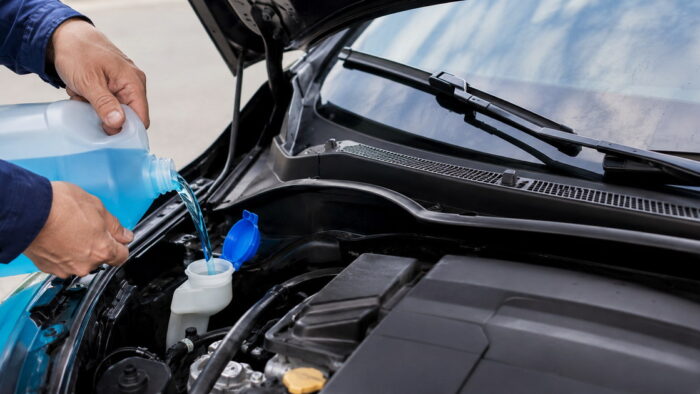
- Level – between MIN and MAX marks on reservoir; topping up while pads are wearing is normal (fluid level drops as caliper pistons extend further)
- Color – fresh fluid is amber/clear; dark brown or black indicates contamination and needs flushing
- Schedule – most manufacturers recommend brake fluid flush every 2-3 years
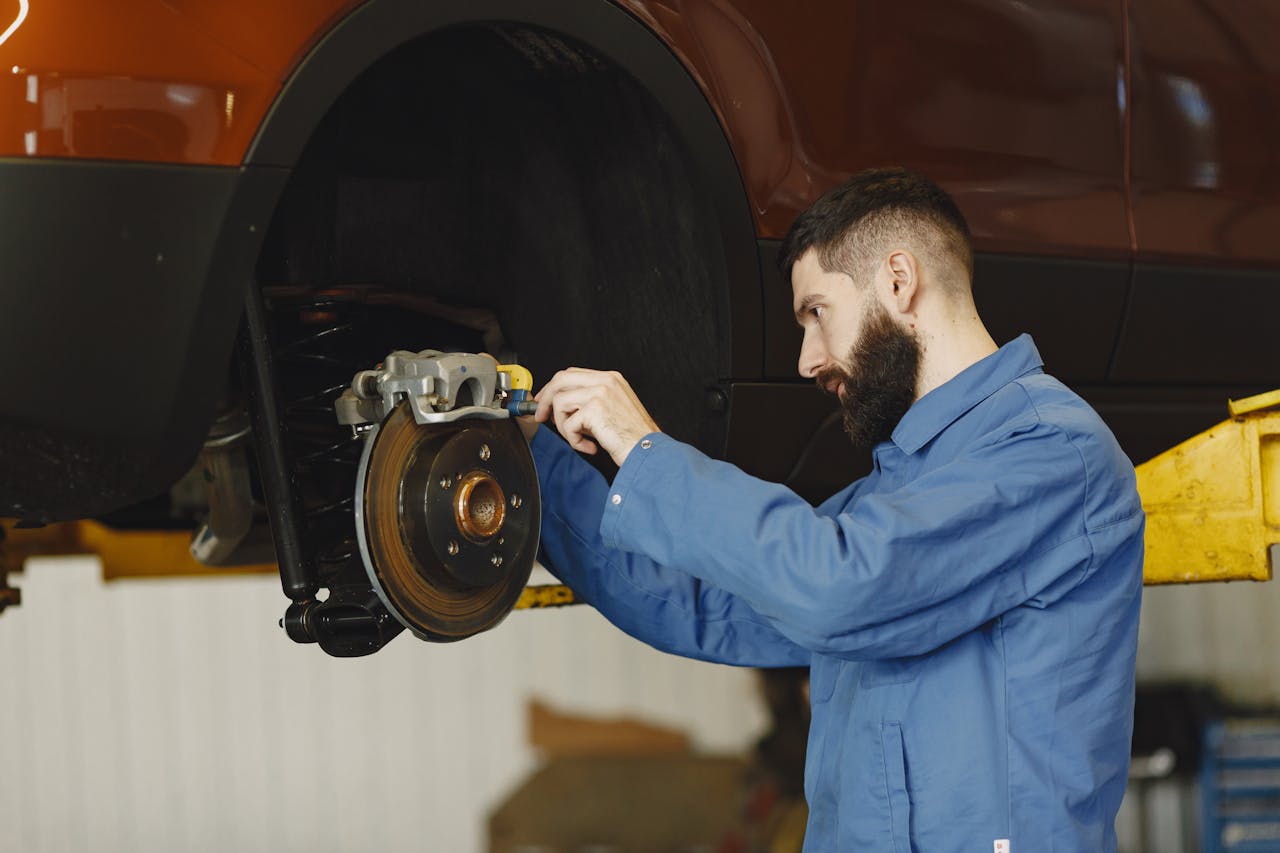
10. Pad thickness
Visible through some wheel designs. New pads start at 10-12mm; replacement typically needed at 3mm. Below 3mm leaves little margin before pad backing meets rotor.
11. Rotor condition
- Smooth surface (no deep grooves or scoring)
- No bluing (indicates overheating)
- No cracks (immediate replacement)
- Minimum thickness – stamped on the rotor edge; reject below
12. Brake hoses and lines
- No cracking on rubber sections
- No bulges (immediate replacement – pressure failure imminent)
- No leaks at fittings
- Hardline corrosion (especially in salt-belt regions) – pitting indicates replacement needed
Service intervals
13. Typical lifespans (front brakes wear faster)
- Brake pads: 30,000-70,000 miles depending on driving style
- Brake rotors: 50,000-100,000 miles (often replaced with pads on second service)
- Brake fluid: Flush every 2-3 years regardless of mileage
- Calipers: 100,000+ miles typically; rebuilds available before replacement
- Master cylinder: 100,000+ miles
14. City vs highway driving
City drivers wear brakes 2-3x faster than highway commuters due to frequent stop-and-go. Adjust expected lifespan to your driving pattern.
What you can DIY vs leave to a shop
DIY-appropriate (with mechanical aptitude)
- Visual inspections
- Brake fluid level checks and top-up
- Pad replacement (with proper tools and torque values)
- Bleeding brakes (with helper)
Always leave to qualified mechanic
- Caliper rebuilds or replacement
- Master cylinder work
- Brake line replacement (hardlines especially)
- ABS system diagnosis
- Anything you cannot identify or assess confidently
Common brake mistakes
- Ignoring squeal. The wear indicator is telling you something.
- Using cheap pads on heavy or fast cars. Pad material matters; match to vehicle weight and use.
- Skipping fluid flush. Old brake fluid absorbs moisture; boiling point drops, causing brake fade on long descents.
- Riding the brakes downhill. Overheats brakes to failure. Engine braking on long descents.
- Driving with grinding noise. Each mile damages rotors that could otherwise have been saved.
Brake warnings deserve an immediate answer
Listen for warning signs; visual check at every oil change; address any pedal feel changes immediately; replace pads at safety minimum. Brakes warn you for weeks before failure – heed the warnings. Replacement and adjustment work belongs with a qualified mechanic. This is general guidance, not professional mechanical advice.
Before you make the decision
How often should brakes be inspected?
Follow the manufacturer schedule and ask for inspection when tires are removed, after a warning symptom or before demanding travel such as towing or mountain routes.
Does a squeal always mean the pads are worn out?
No. It can come from a wear indicator, contamination, glazing, hardware or surface rust. A technician should identify the cause.
What should I do if the brake warning light comes on?
Stop in the safest available place, consult the owner manual and assess whether towing is required. Do not assume the vehicle is safe because it still slows down.
Next steps
- Tire Maintenance Guide: Pressure, Tread, Rotation, Replacement
- Truck Maintenance Checklist for Owner-Operators
- Long Distance Driving Checklist
Related guides
Sources and Further Reading
Brake symptoms can have several causes. Stop using the vehicle when braking is unsafe and arrange qualified inspection rather than guessing.