Reviewed for safety and technical accuracy by an Auto Drive Tips subject-matter contributor. Road rules, licensing, and vehicle regulations vary by country and state — always verify the requirements that apply where you drive before relying on this guidance.
School bus drivers carry the most vulnerable passengers possible. Statistically, school buses are extremely safe — but when incidents happen, they involve children who can’t protect themselves. The procedures below come from school transportation departments and the practices of long-tenured route drivers. They aren’t optional; they’re the difference between a job well done and tragedies that follow drivers for life.
Pre-route daily
1. Pre-trip inspection
Standard commercial vehicle inspection plus school bus specifics:
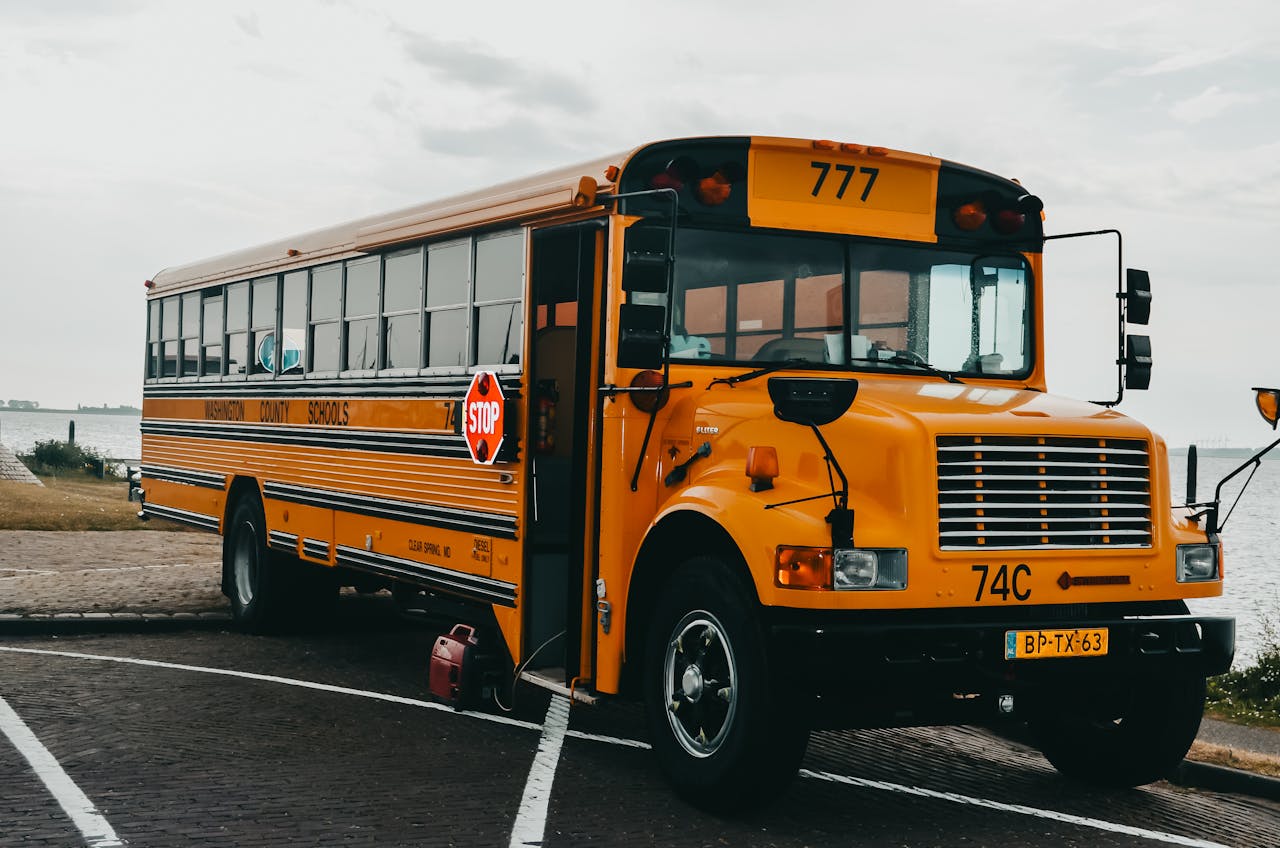
- Stop arm operation — extends and retracts; warning lights flash
- Crossing gate operation (where fitted)
- Yellow warning lights and red flashing lights
- Mirrors — extra crossing mirrors for blind spots
- Interior cleanliness — no loose items that could become projectiles
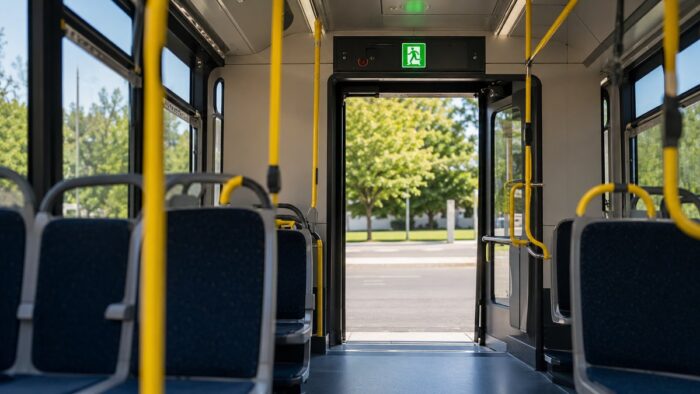
- Emergency exits — back door, roof hatches, side emergency exits all operational
- First aid kit, fire extinguisher, body fluid spill kit
2. Route familiarity
Know every stop, every dangerous intersection, every passing zone. Substitute drivers should drive the route empty before carrying students.
3. Weather assessment
Many districts have policies for weather-related delays or cancellations. Verify with dispatch in marginal conditions.
At every stop — the procedure that saves lives
4. Approach the stop
- Begin reducing speed well in advance
- Activate yellow warning lights 100-300 feet before stop (varies by state)
- Check mirrors continuously
- Watch for children running to the stop from any direction
5. At the stop
- Bring bus to a complete stop
- Place transmission in neutral or park; set parking brake
- Activate red flashing lights AND extend stop arm
- Visually verify that traffic has stopped before opening door
- Open door ONLY after verifying traffic stopped
6. Boarding students
- Students approach door in a single line
- Look up the line for any straggler or unattended child
- Count students boarding against expected count
- Verify all students are inside and seated before closing door
7. Alighting students
- Students step off; remain visible in mirrors
- Students crossing in front of bus walk 10+ feet ahead of bumper, in driver’s full view
- Driver makes eye contact and signals with hand when safe to cross
- Count students off; verify no one left aboard who shouldn’t be
- Wait for students to clear before closing door
8. Pulling away
- Retract stop arm
- Turn off red lights; activate yellow as appropriate
- Check ALL mirrors AND look directly
- Verify no student is near the bus (especially the right rear quarter and underneath blind spots)
- Pull away gradually
The danger zone around a school bus extends 10 feet on all sides. Most school-bus-related fatalities happen in this zone, not from the bus moving down the road.
Inside the bus
9. Behavior management
- Establish rules at the start of the school year
- Address minor issues immediately
- Stop the bus for safety issues (out of seats, fights, objects out windows)
- Report serious issues to school administration
- Don’t try to drive through escalating situations
10. Seating
Younger students toward the front. Assigned seating reduces conflicts. Standing while bus is moving is prohibited under most state regulations.
11. Bullying and harassment
Drivers are often the first to witness student conflicts. Document incidents and report to school administration. Don’t try to mediate complex student conflicts while driving.
Special situations
12. Railroad crossings
School buses STOP at every railroad crossing — federal requirement in US:
- Stop 15-50 feet before the nearest rail
- Open the front door and side window
- Listen for trains
- Look both directions
- Proceed when clear, no shifting gears across the tracks
13. Emergency evacuation
Practice evacuations with students:
- Front door evacuation for routine situations
- Rear door evacuation if front blocked
- Window evacuation if both doors blocked
- Account for every student after evacuation
14. Medical emergencies
- Pull over to safe location
- Call 911 / emergency services
- Notify dispatch and school
- Provide first aid within your training
- Keep other students calm and away from the affected student
15. Accidents
- Stop, set warning devices
- Check passengers
- Call emergency services and dispatch
- Evacuate ONLY if necessary (fire risk, traffic hazard) — staying in the bus is usually safer
- Account for all students
- Don’t release students to anyone until directed by school administration
End-of-route checks
16. The walk-through
Every driver, after every run, walks the entire length of the bus checking every seat. Sleeping children, items left behind, mechanical issues. “Child left on bus” incidents are career-ending and have resulted in child fatalities — the walk-through prevents this absolutely.
17. Post-trip inspection
Damage check; report any mechanical issues for next-day repair. Clean as required by district.
Consistency is the safety system
The procedures at every stop are important. Walk the bus end-to-end after every route. Document and report. School bus drivers carry the highest-stakes passengers; the procedures aren’t bureaucracy, they’re the framework that keeps children alive. Follow your district’s specific procedures and verify regulations with your state department of education or transportation.
The routine should look the same every day
Children learn the stop procedure through repetition. Use the same mirror sequence, stopping position, signal timing and final check even when the route is quiet. Familiarity should make the process steadier, not shorter.
After any change of driver, vehicle or stop location, review the routine again with the school or operator. Small route changes can alter sight lines, traffic behaviour and where children wait.
Continue your research
- Bus Driver Safety Tips: For Charter, Transit, and Coach
- How to Choose a Bus or Coach Hire Service
- Common Highway Driving Mistakes (and How to Fix Them)
Sources and Further Reading
School transport rules differ by state and country. Schools and operators should align the route procedure with the responsible authority.