Fuel-saving driving should feel ordinary. The best habits are smooth, predictable and compatible with traffic rather than extreme techniques that distract the driver or interfere with other road users.
Accelerate without rushing the car
Use progressive throttle and allow the vehicle to reach speed without a hard surge. Heavy acceleration followed by immediate braking wastes energy and creates an uncomfortable rhythm. The aim is not to crawl away from every junction; it is to avoid using more power than the situation requires.
Look farther ahead
Traffic lights, queues and turning vehicles can often be seen early. Lift off the accelerator sooner and let the vehicle slow naturally where it is safe. This reduces repeated braking and acceleration while also giving the driver more time to respond.
Choose a sensible cruising speed
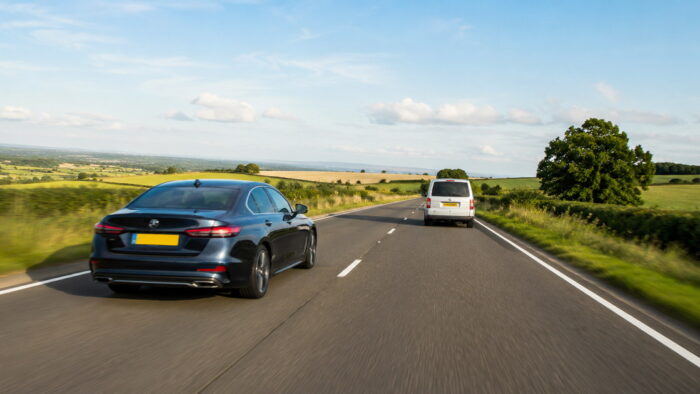
Energy use rises as speed and aerodynamic resistance increase. Travel at a safe, legal speed that fits the conditions and leave enough time so the journey does not become a race. On hilly roads, accept small speed changes instead of forcing the vehicle to hold one number with heavy throttle.
Keep tires and alignment in order
Use the cold tire pressure on the vehicle placard or in the owner manual. Underinflation, damage and poor alignment increase resistance and wear. A tire check is both a fuel habit and a safety habit; do not inflate to the number moulded on the tire sidewall unless the manufacturer specifically instructs it.
Reduce avoidable idling
Waiting with the engine running uses fuel without moving the vehicle. Follow the manufacturer guidance for restarting and never switch off where doing so would affect safety or essential vehicle systems. For commercial vehicles, use the operator’s idle policy and approved cab-comfort equipment.
Remove drag and weight you do not need
Roof boxes, racks and heavy equipment should come off when they are no longer required. Carrying useful tools is part of the job; carrying forgotten materials for months is not. Load the vehicle securely and remain within its limits.
Plan errands and stops
Several short cold journeys can use more fuel than one organised route. Combine compatible errands, choose a route that avoids repeated backtracking and check traffic before leaving. The shortest route is not always the most efficient if it includes severe congestion or difficult parking.
Use climate control sensibly
Cabin comfort supports concentration, so do not compromise safety to save fuel. Use recirculation or scheduled pre-conditioning where the vehicle supports it, close windows at higher speeds when practical and avoid cooling an empty parked vehicle for longer than necessary.
Measure your own vehicle
- Record fuel or energy used over several normal trips.
- Note unusual traffic, weather, load and tire changes.
- Try one habit at a time rather than changing everything together.
- Compare several similar journeys before deciding that a change worked.
- Drop any technique that reduces control, visibility or cooperation with traffic.
Small habits work because they are repeatable
Smooth control, correct tire pressure, sensible speed and better planning can lower consumption without turning every trip into an experiment. A reliable improvement is one the driver can repeat in ordinary traffic while staying calm and safe.
Automatic features still need judgement
Eco modes, stop-start systems and adaptive cruise can help in some conditions, but they do not understand every hill, queue or road surface. Learn what each feature changes and switch it off when the manufacturer recommends, such as during certain towing, traction or battery conditions.
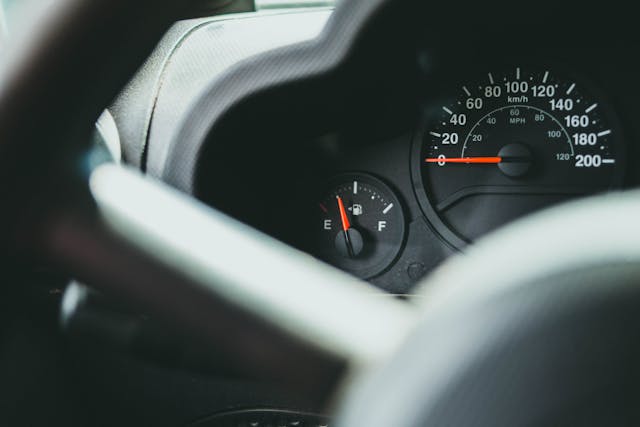
Do not stare at the economy display. A driver who watches the screen instead of the road may save a small amount of fuel while increasing risk. Review the trip result after parking.
Fuel-saving mistakes that are not worth copying
- Following another vehicle closely to reduce drag.
- Coasting in neutral or switching off the engine while moving.
- Inflating tires beyond the vehicle specification.
- Driving unusually slowly where it disrupts traffic.
- Skipping maintenance because the car still appears to run.
Any technique that reduces steering, braking, visibility or cooperation with traffic is a bad trade. Efficiency belongs inside safe driving, not above it.
Let maintenance explain sudden changes
If consumption rises without an obvious change in route or driving, check tire pressure, alignment, brakes, warning lights and service history. A mechanical issue can look like poor driving in the trip computer.
After tire replacement, roof-rack installation or a long period of short trips, reset the baseline and compare similar journeys again. Fuel records are most helpful when they include enough context to explain why a result changed.
More practical guides
Tire Maintenance Guide: Pressure, Tread, Rotation, Replacement, How to Reduce Fleet Fuel Costs, Fuel Efficiency Tips for Truckers.
Related guides
Sources and Further Reading
- U.S. Department of Energy fuel economy guidance
- NHTSA TireWise safety guidance
- U.S. Department of Energy: Fuel Economy
- NHTSA TireWise
Fuel economy guidance is most useful when it is tested against the same vehicle, route and load over several comparable journeys.