Advanced driving courses fall into three stages. Post-test top-ups such as the UK’s Pass Plus give new drivers supervised experience of motorways, night driving and bad weather. Assessed refreshers check and update the habits of experienced drivers without a pass or fail. Examined qualifications, such as those from IAM RoadSmart and RoSPA in the UK, teach a systematic method of observation and planning and end in a test. Some insurers offer discounts for them, so ask before booking.
The three stages
| Stage | Examples | Who it suits | Format | Outcome |
|---|---|---|---|---|
| Post-test top-up | Pass Plus (UK) | Drivers in their first year or two | About six hours with an instructor; no test | Certificate; possible insurance discount |
| Assessed refresher | Driver assessments from motoring organisations; mature driver reviews | Returning, older or nervous drivers | One or two hours; written feedback | A report, not a pass or fail |
| Examined advanced qualification | IAM RoadSmart Advanced Driver; RoSPA Advanced Driving Test | Anyone wanting a higher standard | Several observed drives, then a test | Membership or graded pass; periodic retest for some |
| Specialist courses | Skid control, track tuition, towing, fleet driver training | Specific needs | Half or full day | Skill-specific |
Names and schemes vary by country; look for courses accredited by a national road safety body.
The standard driving test certifies a minimum: you can operate a car safely under supervision for forty minutes. Advanced driving training is everything above that line, and it spans a spectrum from short post-test top-ups to examined qualifications that take months. Some of it measurably reduces risk, some of it mostly builds confidence, and a little of it trims insurance. Here is the landscape, stage by stage.
Stage One: Post-Test Top-Ups (First Year)
Schemes such as Pass Plus package the experience a new licence typically lacks: motorway driving, night driving, bad weather, rural roads and busy urban work, usually six hours or so with an instructor and no exam. The honest assessment: the motorway and night modules alone justify it for drivers who qualified without them, because those are the conditions new drivers meet first and worst. Some insurers recognise completion with a discount, though the saving varies and should be checked rather than assumed; take the course for the experience, treat any discount as a bonus. A plain motorway lesson or two with a local instructor achieves much of the same at lower cost for drivers who only need that one gap filled.
Stage Two: Assessed Refreshers (Any Age)
One-off assessed drives, offered by road-safety charities and some driving schools, put an observer in your passenger seat for an hour and produce a frank report. They suit returning drivers, people who moved from abroad, anyone whose confidence dipped after an incident, and experienced drivers curious how much habit-rust has accumulated. Expect the report to flag the classics: late observation, coasting, poor positioning on bends, and following distances that shrank sometime in the last decade.
Stage Three: The Examined Qualifications
The serious tier is the advanced test, run in the UK by IAM RoadSmart and RoSPA, with equivalents elsewhere. The method is a course of observed drives with a volunteer observer over several months, built around a system of car control derived from police driver training: information, position, speed, gear, acceleration, applied as a continuous loop. You then take an examined drive with commentary. RoSPA grades passes and uniquely requires a retest every three years to keep the grade, which keeps standards honest. The skills taught, reading the road a junction further ahead, cornering on a planned line, unhurried overtaking decisions, are the measurable difference between a competent driver and a genuinely good one, and several insurers offer discounts for holders. Cost is modest for what it is, typically a membership plus course fee, because observers are volunteers.
What Advanced Training Actually Changes
Studies and insurer data point the same direction: the gains are concentrated in hazard anticipation and consistency, not car control heroics. Advanced drivers brake earlier and less hard, hold bigger margins, and are dramatically less often surprised. The courses also quietly remove ego from driving; the examined commentary drive makes it embarrassing to tailgate while explaining aloud why you are doing it. For most people the biggest single change is the following distance, which doubles and stays doubled.
Who Should Do What
- Just passed: motorway and night experience first, via Pass Plus or targeted lessons.
- One to five years in: an IAM or RoSPA course is the highest-value upgrade, taken before bad habits fossilise.
- Returning after a gap or an accident: an assessed refresher, then decide.
- Towing, winter regions, or performance cars: specialist one-day courses, caravan handling, skid control on a proper facility, exist for each and beat learning by incident.
- Professional and high-mileage drivers: employer-funded defensive driving courses pay for themselves in incident rates, and fleet insurers increasingly require them.
Choosing a Provider
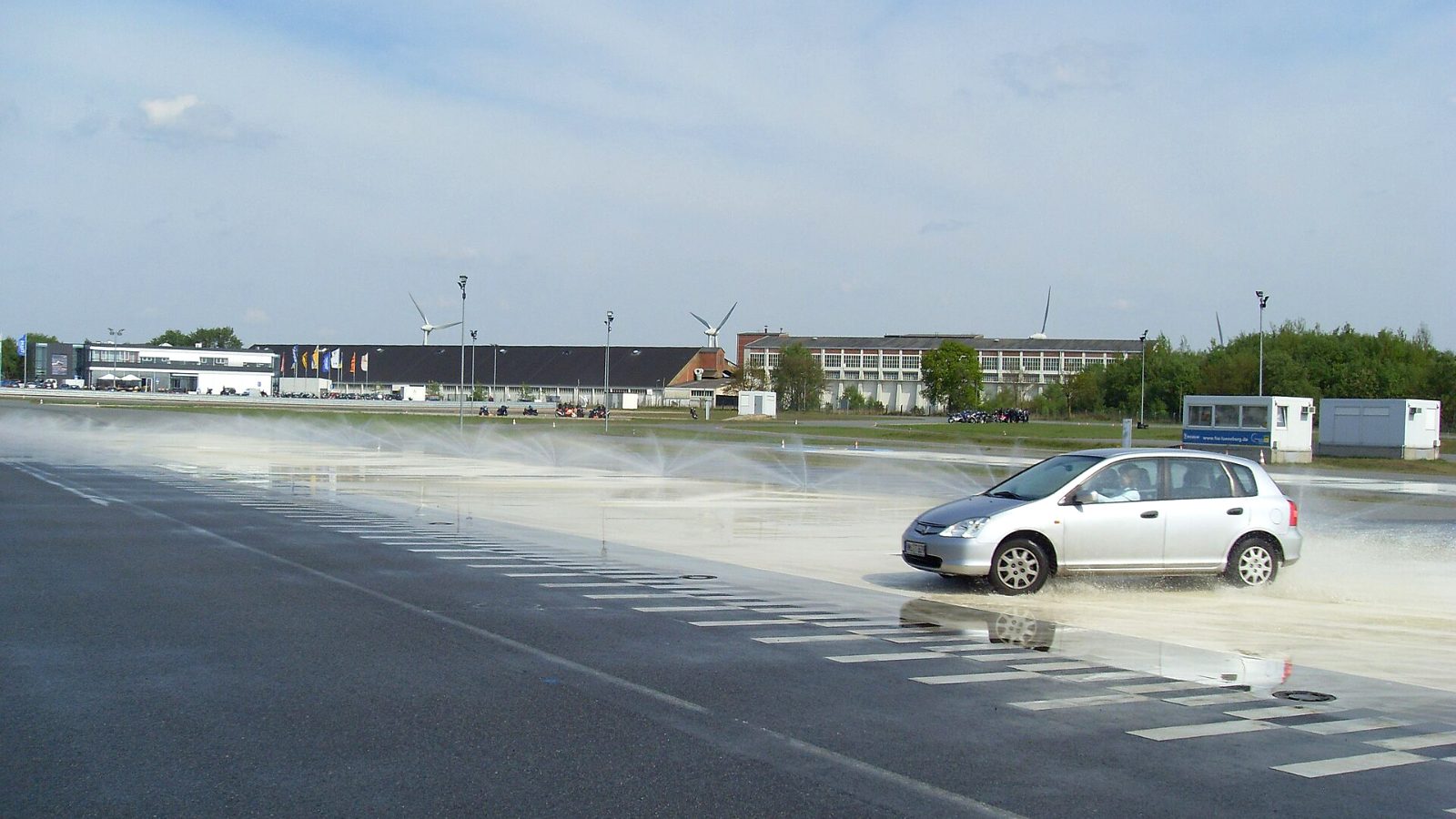
Look for structured syllabus, an actual assessment at the end, and instructors or observers with recognised qualifications. Be sceptical of courses sold mainly on track time or car control drama; sliding a car around a wet circle is enjoyable and nearly irrelevant to the crash types that fill statistics, which are junction misjudgements and following too close. The best indicator of a good course is how much time it spends on observation and planning, the unglamorous core.
The Bottom Line
Fill the experience gaps in year one, take an examined advanced course in the first five years, and refresh with an assessed drive each decade or after any major change. Driving is the most dangerous thing most people do daily; it is strange that most of us stop training at the minimum, and cheap to be the exception.
Picking the Right Course for Your Gap
Advanced training only pays when it targets your actual weakness. Skid-pan days teach car control at the limit, brilliant for understanding grip, nearly useless for the commuter whose risks are junctions and fatigue. Observation-based programmes like IAM RoadSmart or RoSPA rebuild hazard anticipation and planning, the skills that fade silently after years of autopilot commuting, and often earn insurance discounts. Motorway confidence courses suit returners and new drivers avoiding the fast roads. Write down the three situations that most unsettle you, then book the course that rehearses those, not the one with the most exciting photos.
What does an advanced assessment actually involve?
Typically sixty to ninety minutes of observed driving with commentary, your observer noting planning, positioning and smoothness rather than rule-recital. Most drivers discover their habits have drifted further from test standard than they believed, mirror checks especially. The debrief doubles as a personal syllabus, and pairing it with the self-audit in highway driving mistakes gives a complete picture of where the rust is.
Related guides
- 25 Driving Tips Every New Driver Should Know
- Best Fuel-Saving Driving Habits
- Automatic Driving Lessons: Are They Right for You?
Featured image: Fahrsicherheitstraining LG Dynamikplatte. Photo: Wusel007 (CC BY-SA 3.0), via Wikimedia Commons.


