Reviewed for safety and technical accuracy by an Auto Drive Tips subject-matter contributor. Road rules, licensing, and vehicle regulations vary by country and state — always verify the requirements that apply where you drive before relying on this guidance.
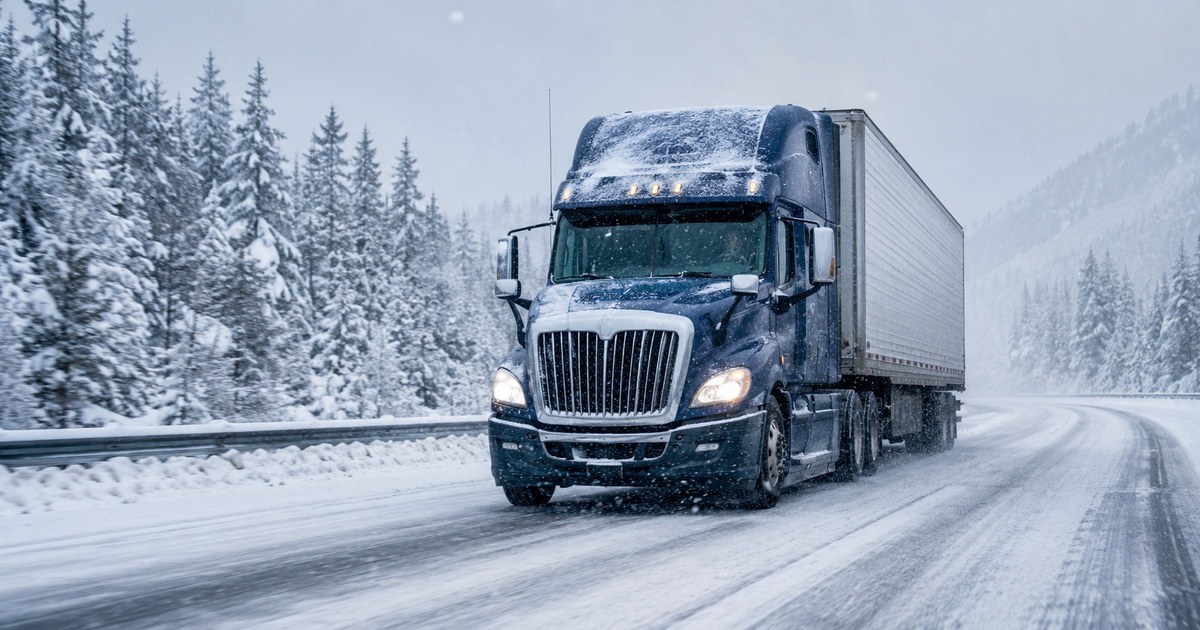
A heavy truck in winter combines long stopping distances, a high centre of gravity and limited traction, which is an unforgiving mix on snow and ice. Professional winter driving is mostly about slowing down, being smooth, and having the judgement to stop when the road is genuinely too dangerous.
Respect the physics
A loaded truck already needs far more distance to stop than a car, and snow or ice multiplies that dramatically while also making it easier to jackknife or slide. The high centre of gravity raises rollover risk on slick bends and ramps. Understanding that the margins are much thinner in winter is the foundation for every adjustment below, starting with speed.
Slow down well below the limit
Posted limits assume good conditions, so in winter the safe speed is often far lower, sometimes dramatically so. Reduce speed to match the traction available, brake and accelerate gently, and give yourself far more distance to everything. Many winter truck incidents come down to simply going too fast for the conditions, so deliberate, generous slowing is the single most effective habit.
Be smooth with every input
On low-traction surfaces, sudden inputs break grip and invite a jackknife or slide, so accelerate gently to avoid spinning the drive wheels, steer in slow deliberate movements, and brake early and progressively. Use engine and auxiliary braking carefully, since aggressive engine braking on ice can also upset traction. The smoother and earlier your actions, the more the limited grip can cope, echoing the principles in our driver safety guide.
Watch for the worst surfaces
Be especially wary of bridges and overpasses, which ice first, shaded areas that stay frozen, and black ice that looks merely wet. Ramps and bends are where the high centre of gravity bites, so slow well before them. If the spray from other vehicles stops, the road may have frozen, a cue to ease off. Reading the surface ahead lets you slow before trouble, not during it.
Chains, tyres and pre-trip
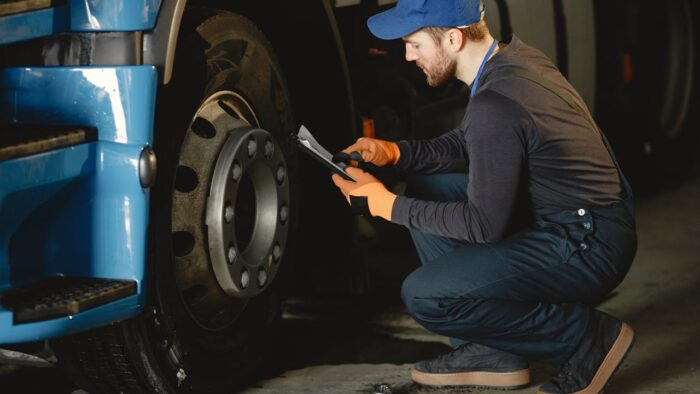
Winter readiness starts before the trip: good tyres appropriate to the conditions, correct pressures, and carrying and knowing how to fit tyre chains where they are required or sensible. Many mountain routes mandate chains in winter, and ignoring chain laws is both unsafe and an offence. Fold winter checks into your pre-trip routine alongside the items in our truck maintenance checklist, and keep fuel, washer fluid and supplies topped up.
Manage fuel, fluids and visibility
Cold weather demands extra attention to fuel and fluids, keeping the tank fuller, using winter-grade fuel where needed, and ensuring washer fluid and wipers keep the screen clear amid road spray and salt. Keep lights clean so you can see and be seen. Plan stops and rest realistically, since winter slows everything and fatigue plus ice is a dangerous combination, as our work on driver fatigue principles reflects.
Know when to shut down
The most important winter skill is judgement: when conditions become genuinely unsafe, the professional choice is to slow further or stop entirely, parking safely until things improve, rather than pushing on under pressure. No load is worth a winter pile-up. Reputable carriers back drivers who stop for safety, and the regulations and your own assessment of the road should override the schedule. Shutting down in a storm is a sign of good judgement, not failure.
Winter trucking checklist
Before and during winter driving:
- Fit good tyres, correct pressures, and carry chains where required.
- Slow well below the limit and lengthen all distances.
- Be smooth with throttle, steering and braking to protect traction.
- Watch bridges, shade, ramps and black ice; ease off before them.
- When conditions are unsafe, slow further or shut down safely.
Avoiding and handling a jackknife
A jackknife, where the trailer swings out of line with the tractor, is one of the most feared winter incidents, and it usually stems from the drive wheels or trailer losing traction under braking or too much speed into a bend. Prevention is the priority: slow well before curves and stops, brake gently and early, and avoid sudden inputs that can break traction, especially on downgrades and ramps. If a slide begins, easing off the brakes and accelerator to let the wheels regain grip, while keeping the rig as straight as possible, is generally the aim, though recovery in a heavy vehicle is difficult, which is exactly why prevention matters so much. The deeper lesson is that the safe speed in winter is often far lower than feels necessary, and respecting that, as our driver safety guide stresses, is what keeps the rig in line.
Sources
- FMCSA: commercial vehicle safety
- NHTSA: winter driving tips
- National Weather Service: winter driving safety
Chain laws and conditions vary by route and region. Follow local requirements, your training and official road and weather warnings.