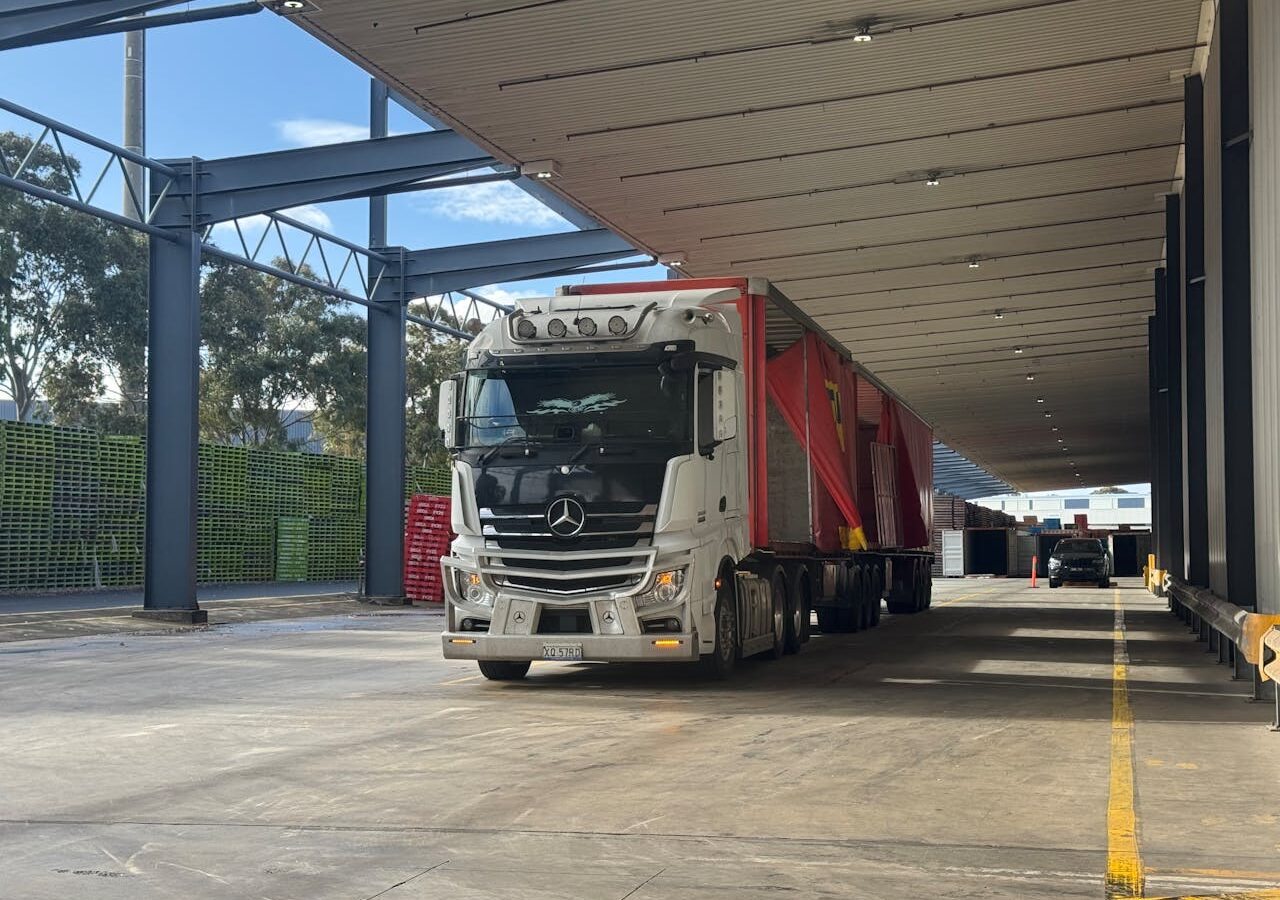
A pantech truck is a rigid truck with an enclosed, panel-sided cargo body, typically used for moving furniture, dry goods, and general freight. The term is most commonly used in Australia, New Zealand, and parts of the UK; North American equivalents are often called “box trucks” or “straight trucks” – but there are real differences worth understanding before specifying one for your business.
The defining characteristics
A pantech truck has:
- A rigid chassis (no articulated trailer) – the cab and cargo body are on one frame
- Enclosed cargo body with panel sides, roof, and rear loading doors
- Tail-lift or loading ramp typically fitted for ground-level loading
- GVM commonly 4.5-15 tonnes (Australian context); 10,000-26,000 lbs (US/UK equivalents)
- Side-door or full-rear access depending on configuration
Pantech vs Box Truck – the practical differences
In US/Canadian terminology, a “box truck” describes any rigid truck with enclosed cargo. In Australian and many British usages, “pantech” specifically refers to lighter-duty configurations with these typical attributes:
- Pantech: Generally lighter weight (4.5-12 tonne GVM), commonly used by removalists and parcel delivery, often built on light-truck chassis (Isuzu N-series, Hino 300, Iveco Daily 7-tonne)
- Box truck (US): Includes the full range from 14-foot rental trucks up to 26-foot straight trucks (Class 7 commercial vehicles)
- Cube van: The smallest end – vans like the Mercedes Sprinter cab-chassis with cube body
Typical pantech uses
Furniture removalists / moving companies
The classic pantech application in Australia and NZ. Furniture loads need protection from weather and damage; the tall enclosed body fits typical residential furniture; the tail-lift handles heavy items single-handedly.
Dry goods distribution
Beverages, packaged food, dry consumer products from warehouse to retail stores. Predictable urban/suburban delivery routes match pantech sizing.
Courier and parcel services
Medium-volume parcel runs. Larger than van capacity, smaller than semi-trailer capacity.
Trade and equipment hire
Scaffolding, equipment hire fleets, signage companies – businesses moving bulky-but-not-heavy equipment.
Mobile workshops and event vehicles
Custom fit-outs for mobile services, food trucks, exhibition vehicles.
When NOT to choose a pantech
- Bulk material transport. Sand, gravel, soil – use a tipper truck.
- Oversized or unusually tall loads. Internal height is constrained; flatbed or trailer preferred.
- Heavy point loads. Pantech floors handle distributed loads well, not concentrated point loads – that’s flatbed work.
- Long-distance heavy freight. Articulated tractor-trailers are more efficient over 200+ km.
- Refrigerated cargo. Use a refrigerated truck (reefer) – though pantechs can be fitted with refrigeration.
Licensing
Driver license requirements vary by jurisdiction and vehicle weight:
- Australia: Light Rigid (LR) for 4.5-8 tonne GVM; Medium Rigid (MR) for 8-13 tonne; Heavy Rigid (HR) above 13 tonne
- UK: Category C1 (3.5-7.5 tonnes); Category C (above 7.5 tonnes)
- US: Standard driver’s license for under 26,000 lbs GVWR; CDL Class B above
- NZ: Class 2 for 6-18 tonne GVM; Class 4 for over 18 tonne rigid
Verify current requirements with your local licensing authority – rules change.
Buying considerations
- Payload capacity – published GVM minus tare weight; verify what you can carry
- Internal dimensions – length, width, height, especially door opening height for tall cargo
- Tail-lift capacity – typically 500 kg to 2,000 kg; match to typical load
- Tie-down points – for load securement
- Side door – useful for street-side loading in tight spaces
- Floor type – plywood for furniture (less marking) vs steel checker plate for heavy industrial use
Operating costs
- Fuel: 12-18 km/L (diesel) for typical 8-tonne pantech
- Service: Every 15,000-25,000 km depending on duty cycle
- Tyres: 6-10 tyres on most pantech configurations
- Insurance: Commercial vehicle premiums; business use multiplies cost vs private vehicle
Choose the body around the freight
Pantech trucks are the rigid-chassis, enclosed-body workhorse for furniture removal, dry-goods distribution, and medium-volume parcel delivery in Australia, NZ, and parts of the UK. The North American equivalent is the box truck or cube van category. Match GVM to typical load; verify license requirements; consider tail-lift capacity carefully. Consult a commercial vehicle specialist for specific configurations.
Questions worth checking
- Is a pantech the same as a box truck?
They are similar enclosed-body concepts. “Pantech” is common Australian terminology, while “box truck” is widely used in North America. - Can a pantech carry any dry goods?
Only if the goods fit, the weight remains legal and the load can be restrained safely. Fragile, hazardous, temperature-controlled or unusually dense loads may need specialised equipment. - Does an enclosed body secure the load?
It protects against weather and casual access, but cargo still needs suitable packing, blocking and restraint to prevent movement.
Questions to ask before hiring or buying one
- What are the internal body dimensions and rear-door opening?
- What payload remains after the body, tail lift, passengers and equipment are counted?
- How will the load be restrained inside the body?
- Will the truck enter the loading docks, car parks and streets used most often?
- Who services the body, doors and lift equipment locally?
These answers are more useful than comparing body volume alone. A slightly smaller truck with easier access and better payload may complete the route more efficiently than a larger body that is difficult to load or park.
Useful next reads
- Pantech Truck Loading Best Practices
- Daily Inspection Guide for Tipper Trucks
- Cargo Van vs Pickup Truck: Which Is Right for Your Business?
Sources and Further Reading
Pantech dimensions and legal limits vary widely, so verify the registration, body specification and load-restraint points on the actual truck.